
 National Consultation Hotline:


National Consultation Hotline:
News Center
NEWS
What are the measures and key points for water-saving management in schools and other public institutionsг┐
 2026-03-13 01:24:53
Measures and Key Points for Water-saving Management in Schools and Other Public Institutions
In today's society, the scarcity of water resources is becoming increasingly prominent. As an important part of society, schools and other public institutions play an indispensable role in water resource management. Rational planning and effective water management can not only save costs and reduce waste, but also enhance the public's awareness of water conservation, and positively promote the overall protection of water resources in society. The following will discuss some measures and key points for the implementation of water-saving management in schools and other public institutions.
First, formulate detailed water use plans
The water use plan of public institutions should be specific, with detailed water budgeting and reasonable planning of water use to ensure that there is sufficient water supply during periods of high water use or activities. At the same time, an emergency plan should be formulated to respond to sudden water demand or emergencies, ensuring the stability of water supply.
Second, strengthen the maintenance and management of water-saving equipment and facilities
Public institutions should regularly inspect and maintain water-saving equipment and facilities such as faucets, water tanks, and water pipes to ensure their normal operation. For old or damaged equipment, it should be replaced or repaired in a timely manner to avoid water resource waste caused by equipment problems. At the same time, water-saving equipment such as water-saving faucets and water-saving toilets can be used, which can effectively reduce water resource consumption while ensuring the use effect.
Third, carry out water-saving education and publicity activities
Public institutions should actively advocate and implement water-saving education and publicity activities to enhance public awareness of water conservation. They can hold lectures, exhibitions, posters, and other forms of publicity to popularize water-saving knowledge among students and staff, introduce water-saving methods, and encourage the formation of good water-saving habits. In addition, they can also create a water-saving atmosphere through the setting of water-saving signs and the posting of water-saving publicity slogans, making water-saving a spontaneous action of everyone.
Fourth, implement water-saving management systems
Public institutions should establish and improve water-saving management systems, clarify water-saving goals, responsibility division, and assessment mechanisms to ensure the effective implementation of water-saving measures. Specific measures include: setting water-saving goals, clarifying the water-saving responsibilities of each department and position; establishing a water-saving assessment mechanism, regularly assessing and evaluating the water-saving situations of each department and position; and establishing a water-saving reward mechanism, rewarding departments and individuals with significant water-saving achievements.
Fifth, establish water use monitoring systems
Public institutions should establish and improve water use monitoring systems to monitor water use volume and efficiency in real time, and promptly identify and solve problems. Through water use monitoring systems, it is possible to understand the trend of water use changes, promptly identify abnormal water use situations, and take corresponding measures for adjustment. At the same time, it is also possible to analyze water use efficiency through water use monitoring systems, identify water-saving potential, and formulate corresponding water-saving measures.
Sixth, encourage and support the innovation of water-saving technology
Public institutions should encourage and support the innovation of water-saving technology, introduce advanced water-saving technologies and equipment, and improve water use efficiency. They can cooperate with research institutions, universities, and other organizations to carry out research and development and application of water-saving technologies, enhancing the practicality and effectiveness of water-saving technologies. At the same time, they can also promote the exchange and promotion of water-saving technologies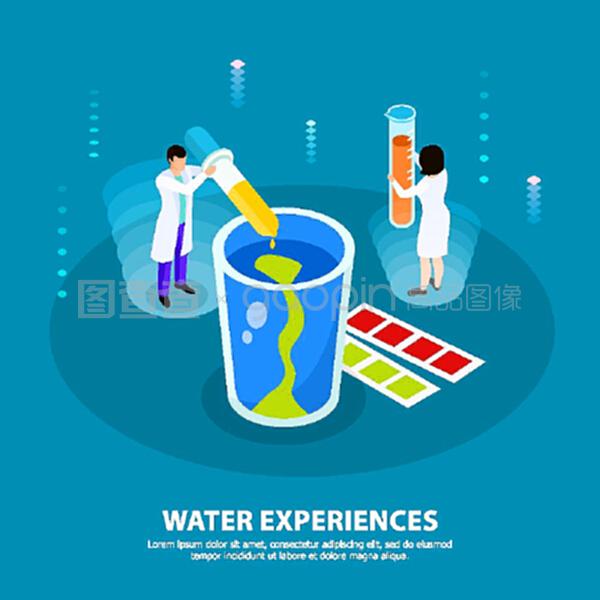 through activities such as water-saving technology exchange meetings and seminars, improving the application level of water-saving technologies.
Public institutions, as an important part of society, play a crucial role in water conservation management. Through measures such as formulating detailed water use plans, strengthening the maintenance and management of water-saving equipment and facilities, carrying out water-saving education and publicity activities, implementing water-saving management systems, establishing water use monitoring systems, and encouraging and supporting the innovation of water-saving technology, it is possible to effectively improve the water use efficiency of public institutions, achieve the rational use of water resources, and contribute to the sustainable development of society.
About Us
News Center
Core Technologies
Product Showcase

HOTLINE:
ContactsAddresses:
Copyright © 2020-2025 Water Purification Materials and Equipment |