
 National Consultation Hotline:


National Consultation Hotline:
News Center
NEWS
What are the main components and operating principles of the urban reclaimed water systemг┐
 2026-01-12 21:17:09
The urban reclaimed water system, also known as the urban wastewater treatment and reuse system, refers to the process of purifying and re-treating urban domestic wastewater and industrial wastewater, converting them into water bodies that meet specific water quality standards, and then recycling them. This system is particularly important in the context of water scarcity, as it can effectively save water resources, reduce pollution of natural water bodies, and improve the utilization efficiency of water resources. Below, we will discuss in detail the composition and operating principles of the urban reclaimed water system.
The composition of the urban reclaimed water system
Pre-treatment system: Including gratings, sand settling tanks, and primary sedimentation tanks, which are used to remove large particles, sand, and some suspended solids from wastewater.
Biological treatment system: Organic matter in wastewater is removed by technologies such as activated sludge process and biofilm process to purify the water quality.
Advanced treatment system: Technologies such as filtration and disinfection are used to further remove microorganisms, suspended solids, and organic matter to ensure that the water quality meets the reclamation standards.
Reclamation treatment system: Further treatment is carried out according to the different uses of reclaimed water, such as reverse osmosis and electrodialysis, to meet the standards of drinking water or industrial water.
Storage and transportation system: After treatment, the water is stored in specific reservoirs or tanks and transported through pipelines to places needed, such as urban greening, industrial cooling, and road washing.
The operating principle of the urban reclaimed water system
Pre-treatment: Large particles and sand in wastewater are removed by physical methods to provide good water quality conditions for subsequent treatment.
Biological treatment: By utilizing the metabolic action of microorganisms, organic matter in wastewater is decomposed into carbon dioxide and water, and some nutrients such as nitrogen and phosphorus are also removed to improve water quality.
Advanced treatment: By physical, chemical, or biochemical methods, suspended solids, microorganisms, and dissolved organic matter in wastewater are further removed to improve water quality.
Reclamation treatment: Different treatment technologies are adopted according to the different uses of reclaimed water to ensure that the water quality meets the corresponding standards.
Storage and transportation: After treatment, the water is stored and transported through pipelines to the places needed, realizing the recycling of water resources.
Through scientific and reasonable design and efficient operation, the urban reclaimed water system can effectively improve the utilization efficiency of water resources, alleviate the pressure on natural water bodies, and is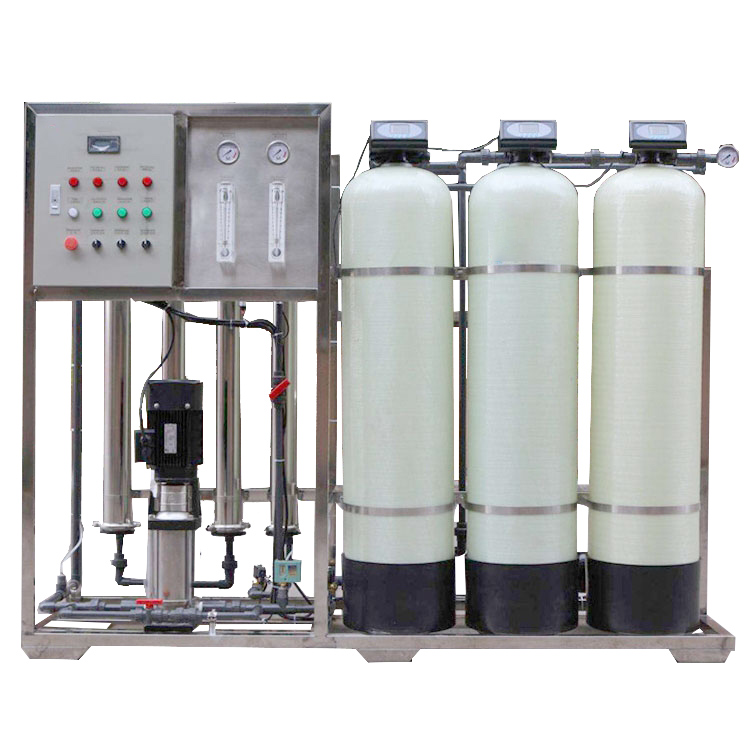 of great significance for achieving sustainable development. With the advancement of technology and the enhancement of environmental awareness, the urban reclaimed water system will play a greater role in the future.
About Us
News Center
Core Technologies
Product Showcase

HOTLINE:
ContactsAddresses:
Copyright © 2020-2025 Water Purification Materials and Equipment |