
 National Consultation Hotline:


National Consultation Hotline:
News Center
NEWS
Key points for the maintenance and management of water storage facilities for secondary water supply in residential areasг┐
 2025-11-25 14:23:18
The water storage facilities for secondary water supply in residential areas are an important link in ensuring the safety of residents' daily water use, and therefore, their maintenance and management are crucial. The secondary water supply system usually includes water supply pipelines from the urban water supply network to the internal water supply pipelines of residential areas, as well as equipment such as water storage pools and water tanks set up within the community. To ensure the safety and hygiene of residents' water use, strict adherence to relevant standards and regulations is required for the maintenance and management of water storage facilities. The following are some key management points:
1. Regular inspections and maintenance
Water quality testing: Regularly test the water quality within water storage facilities to ensure that the water quality meets national drinking water standards.
Equipment inspection: Conduct comprehensive inspections of water storage facilities and related equipment, including pipelines, valves, water tanks, etc., to promptly identify and repair potential issues such as leaks and corrosion.
Disinfection treatment: Regularly disinfect water storage facilities as needed to kill potential pathogenic microorganisms and ensure water quality safety.
2. Cleaning and hygiene management
Cleaning frequency: Develop cleaning plans based on the specific conditions of the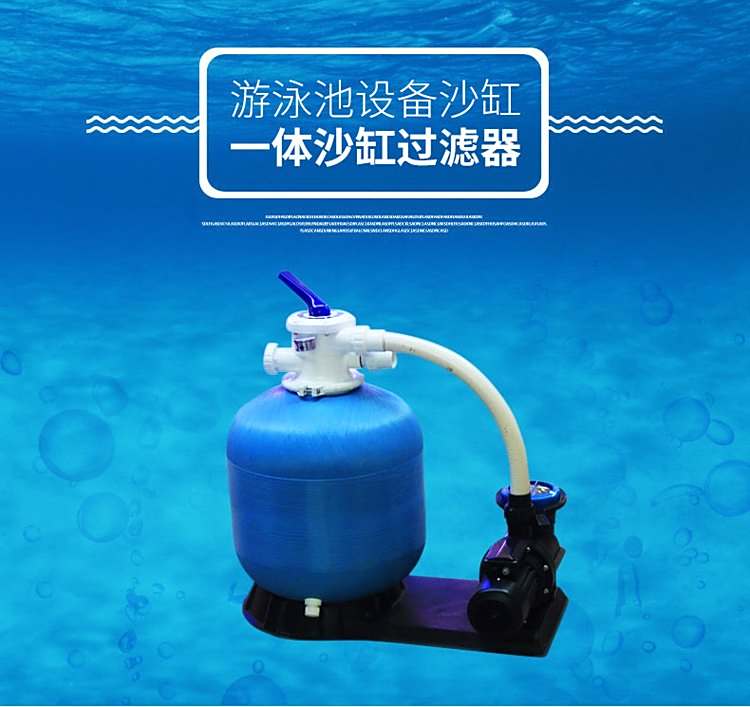 facilities to maintain the
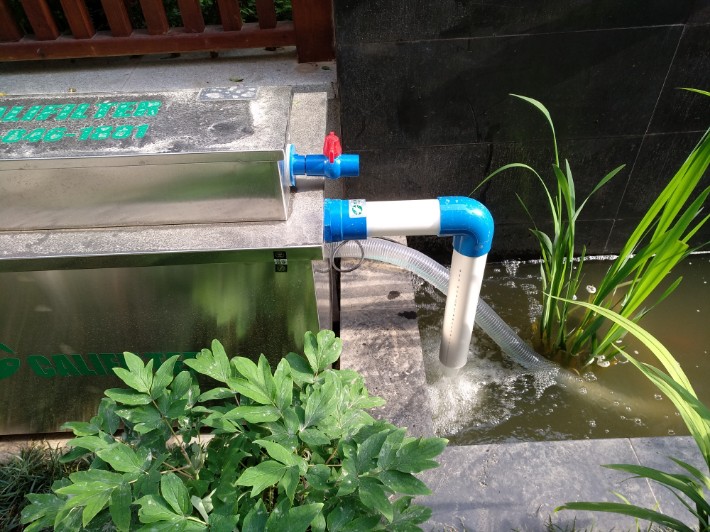 internal cleanliness and hygiene of water storage facilities.
Prevent pollution: Ensure that the surrounding environment of water storage facilities is clean to avoid external pollution affecting water quality.
Use non-toxic materials: Use non-toxic and harmless materials internally in water storage facilities to reduce the impact on water quality.
3. Facility renovation and upgrading
Facility upgrading: Based on technological development and operational experience, timely renovation or upgrading of outdated water storage facilities to improve their operational efficiency and safety.
Energy-saving measures: Adopt energy-saving technologies and equipment to reduce operating costs while reducing the impact on the environment.
4. User education and publicity
Safety education: Regularly educate residents about the knowledge of secondary water supply facilities to enhance their water-saving and safety awareness.
Emergency response plan: Develop and practice emergency response plans to ensure rapid and effective response in case of emergencies.
5. Compliance with regulations and record management
Compliance with regulations: Operate and manage in strict accordance with national and local laws and regulations concerning secondary water supply facilities.
Record preservation: Detailed records of the maintenance of facilities and water quality test results, etc., provide a basis for future management.
In summary, the maintenance and management of secondary water supply and storage facilities is a systematic project, which requires a multi-faceted approach to ensure the safe and reliable operation of the facilities and to provide residents with high-quality drinking water. Effective management and maintenance can significantly reduce the risk of water quality pollution and safeguard the health and safety of residents.
About Us
News Center
Core Technologies
Product Showcase

HOTLINE:
ContactsAddresses:
Copyright © 2020-2025 Water Purification Materials and Equipment |