
 National Consultation Hotline:


National Consultation Hotline:
News Center
NEWS
How does the importance of the mineral content in drinking water manifest for human healthг┐
 2026-02-05 03:30:33
The mineral content in drinking water is crucial for human health because they play an important role in maintaining normal physiological functions, promoting health, and preventing diseases. Minerals are essential trace elements for the human body, and they play a key role in maintaining cell function, bone health, nerve conduction, muscle contraction, and regulating the acid-base balance within the body. This article will discuss the importance of the mineral content in drinking water for human health.
1. Maintain bone health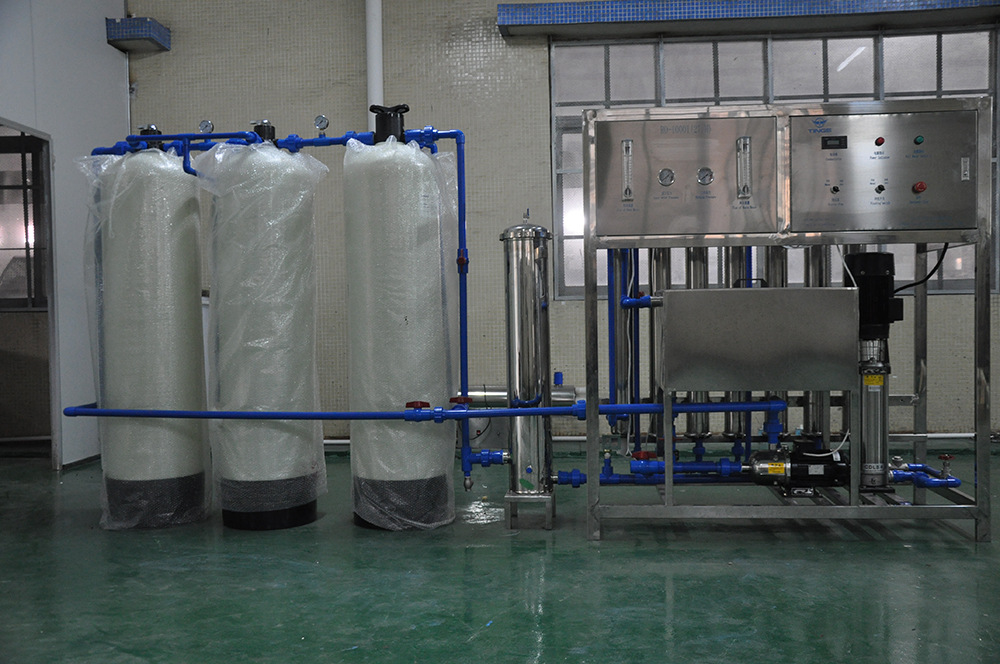 @@@@@@@@@@@@@@@@@@@@@@
Calcium is a key mineral for maintaining bone health, while minerals such as potassium, magnesium, and phosphorus help with the absorption and utilization of calcium. Adequate calcium intake can not only help prevent osteoporosis but also reduce the risk of fractures. In addition, potassium and magnesium also play an important role in maintaining bone health, helping to regulate the level of calcium in the body and promote the absorption and utilization of calcium.
2. Regulate fluid balance
Minerals such as potassium, sodium, chloride, and magnesium are crucial for maintaining fluid balance. Potassium helps regulate the distribution of body fluids, maintain osmotic balance within and outside the cells, which is very important for maintaining normal heart function, nerve conduction, and muscle contraction. Sodium and chloride are the main components of salt in the body, and they help maintain fluid balance by regulating osmotic pressure within and outside the cells. Magnesium also plays an important role in maintaining fluid balance, participating in the regulation of calcium ion concentration within and outside the cells, and helping maintain the function of nerves and muscles.
3. Promote cardiovascular health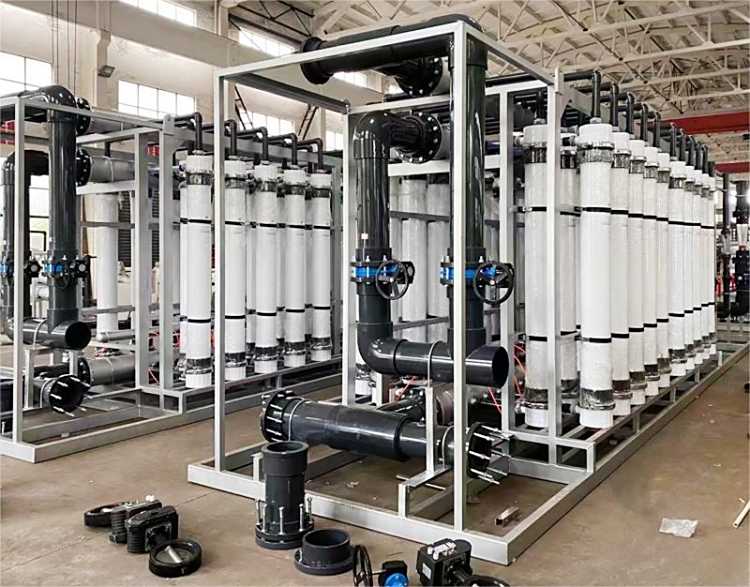
Magnesium is crucial for maintaining the normal rhythm of the heart and blood pressure levels. Studies have shown that magnesium deficiency is associated with an increased risk of hypertension, coronary heart disease, and other cardiovascular diseases. Potassium helps lower blood pressure by helping to excrete excess sodium in the body, reducing vascular pressure, and thus lowering the risk of cardiovascular diseases. In addition, potassium can also help lower blood cholesterol levels and promote heart health.
4. Support the immune system
Minerals such as zinc, selenium, and copper are crucial for the normal operation of the immune system. Zinc helps enhance the function of the immune system, promote the production of white blood cells, and thus help the body resist infections. Selenium helps enhance the immune system, promote the function of immune cells, and also helps reduce inflammation. Copper plays an important role in maintaining the function of the immune system, participating in the synthesis of proteins required for immune cell production, and helping to enhance the function of the immune system.
5. Improve digestive health
Minerals such as iron, calcium, and magnesium are also very important for promoting digestive health. Iron is a key component in the synthesis of hemoglobin and myoglobin, which is crucial for preventing anemia. Calcium helps promote the normal function of the digestive tract, facilitating smooth passage of food through the intestines. Magnesium helps relax intestinal muscles, promote digestion, and is beneficial for preventing constipation.
Conclusion
In summary, the mineral content in drinking water has a profound impact on human health. Ensuring adequate intake of minerals in drinking water can promote bone health, regulate fluid balance, support cardiovascular health, enhance immune system function, and improve digestive health. Therefore, ensuring a balanced intake of minerals in drinking water is crucial for maintaining overall health.
About Us
News Center
Core Technologies
Product Showcase

HOTLINE:
ContactsAddresses:
Copyright © 2020-2025 Water Purification Materials and Equipment |