
 National Consultation Hotline:


National Consultation Hotline:
News Center
NEWS
What are the water quality issues and detection methods suggested by the color change of waterг┐
 2025-12-23 19:38:14
Water is the source of life and plays a crucial role in our daily lives. However, water quality issues not only affect human health but may also have a serious impact on the environment. Water quality issues are often related to pollutants in water bodies, which may include heavy metals, organic pollutants, pathogens, etc. The color change of water can be a potential indicator of water quality issues, but it requires accurate judgment through scientific methods. This article will discuss the potential water quality issues suggested by the color change of water and the corresponding detection methods.
Water quality issues that the color change of water may suggest
Organic pollution: Organic pollutants such as petroleum, pesticides, industrial wastewater, etc., due to their chemical properties, may cause changes in the color of water bodies, ranging from light yellow to dark brown. These color changes may be related to the increase in the content of dissolved organic matter in water.
Algal overgrowth: Overgrowth of algae in water bodies, especially cyanobacteria, can produce a large amount of algal pigments, causing the water body to turn green or blue-green. This not only affects the aesthetics of the water body but may also release toxins, threatening human health.
Suspension: Suspended substances in water bodies, such as silt, organic matter fragments, etc., may also cause changes in the color of water bodies. These suspended substances are usually grayish white, gray, or brown, and the color may change depending on the composition of the suspended substances.
Chemical reactions: Certain chemical reactions, such as redox reactions, may also cause changes in the color of water bodies. For example, certain metal ions may react with other substances in water under specific conditions, forming color changes.
Water quality detection methods
Physical detection: By measuring the physical properties of water, such as color, transparency, pH value, temperature, etc., it is possible to preliminarily judge whether there are water quality issues. Color change is an important indicator in physical detection.
Chemical detection: Using chemical reagents to detect water samples can identify specific pollutants in water bodies. For example, spectrophotometry can be used to detect the content of organic matter in water bodies, and ion chromatography can be used to detect the content of heavy metal ions in water, etc.
Biological detection: By detecting biological indicators such as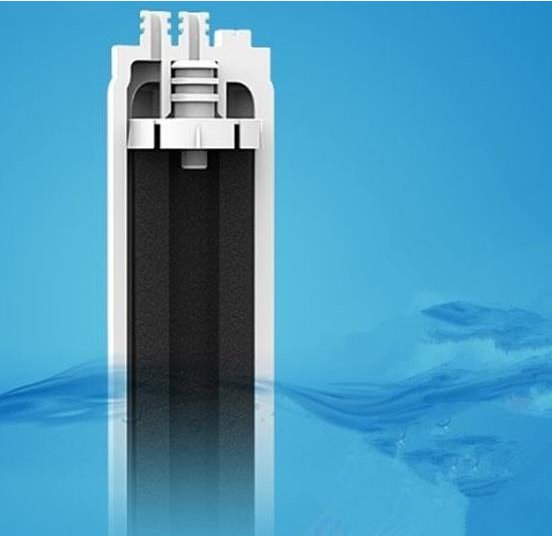 microorganisms and algae in water bodies, the self-purification ability and ecological health of
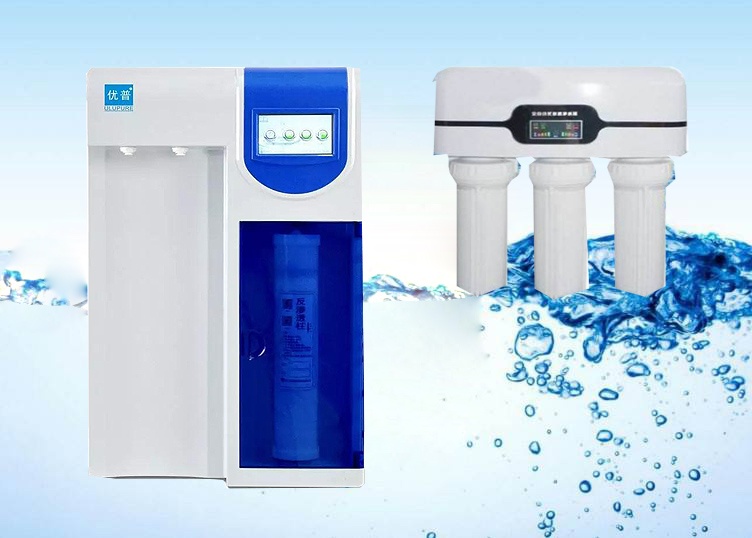 water bodies can be assessed. For example, the total bacterial count in water can be used to assess the degree of water pollution.
Microbiological detection: Using specific culture media and culture conditions, microorganisms in water bodies can be cultivated and identified to identify the presence of pathogens. This method is particularly important for assessing the safety of drinking water.
Conclusion
The color change of water can be a potential indicator of water quality issues, but it requires comprehensive evaluation through scientific methods. The combination of physical, chemical, biological, and microbiological detection methods can more fully assess the water quality status, detect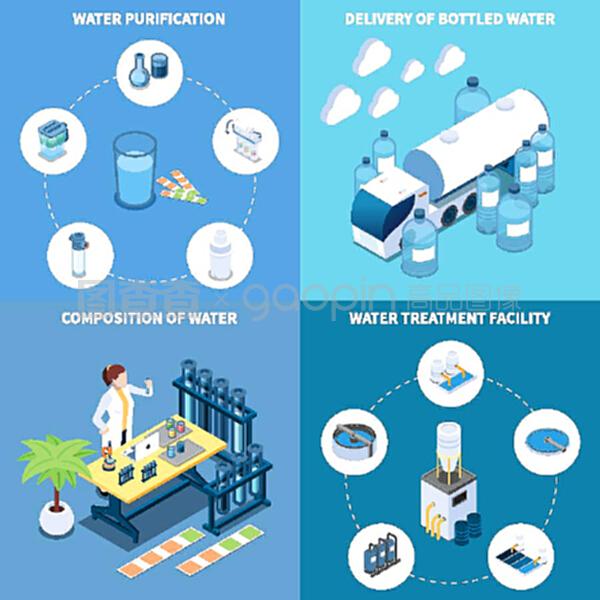 and deal with water quality issues in a timely manner, and ensure the safety and sustainable use of water resources. The public and relevant institutions should increase their attention to water quality changes and take effective measures to protect water resources.
About Us
News Center
Core Technologies
Product Showcase

HOTLINE:
ContactsAddresses:
Copyright © 2020-2025 Water Purification Materials and Equipment |