
 National Consultation Hotline:


National Consultation Hotline:
News Center
NEWS
What is the impact of water temperature changes on the aquatic ecological environment and biodiversityг┐
 2026-03-11 15:15:34
The impact of water temperature changes on the aquatic ecological environment and biodiversity is a complex and profound topic, involving physical, chemical, and biological processes in water bodies, and has a significant impact on global ecosystems and human society. With global warming, the surface water temperature of the Earth has generally risen, and this change has had a multifaceted impact on aquatic ecosystems. The following will discuss the impact of water temperature changes on the aquatic ecological environment and biodiversity from several main aspects.
1. Impact of Water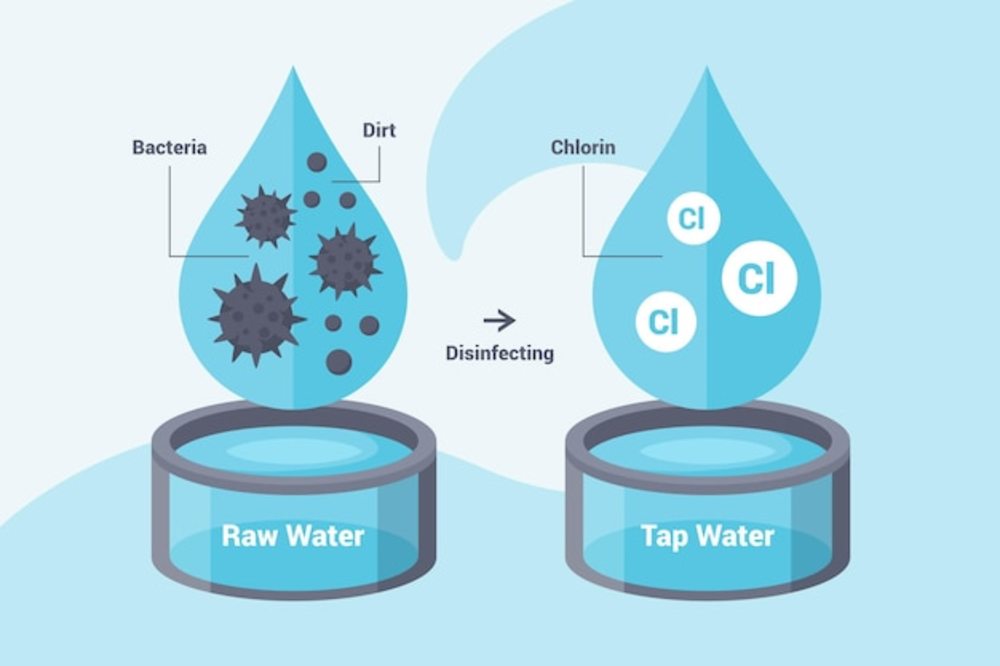 Temperature Changes on Aquatic Organisms
Water temperature changes have a significant impact on the distribution, breeding, migration, and behavior patterns of aquatic organisms. An increase in temperature can promote the growth and reproduction of some organisms, but it may also worsen the living environment of other organisms, even leading to death. For example, corals and marine fish in coral reef systems are very sensitive to water temperature changes. When water temperature exceeds a certain threshold, corals may undergo bleaching, which means losing symbiotic algae. This not only affects the health of corals but may also threaten marine organisms that depend on coral reefs for survival.
2. Impact of Water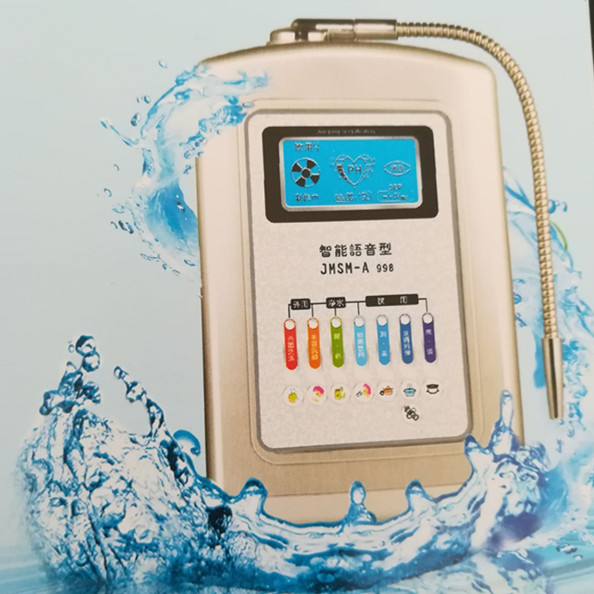 Temperature Changes on the Structure of Aquatic Ecosystems
Water temperature rise will also affect the structure of aquatic ecosystems, leading to changes in species composition. Some species that adapt to warm environments may gradually dominate, while those that do not adapt to high temperatures may decrease or even disappear. This change not only affects the interactions between species in the ecosystem but may also disrupt the stability of ecosystems, leading to a reduction in biodiversity.
3. Impact of Water Temperature Changes on Human Society
Water temperature changes also have a direct impact on human society, including fisheries, hydropower, water quality, and water body health. For example, an increase in temperature may lead to changes in the breeding cycle of fish, affecting the sustainability of fishery resources. Moreover, water temperature changes may also affect the hydropower generation capacity of rivers and lakes, thereby affecting the safety of energy supply. At the same time, water temperature changes will also affect the health of water bodies, such as increasing the growth of cyanobacteria, thereby affecting water quality.
4. Response Measures
Faced with the challenges brought by water temperature changes, taking proactive measures is crucial. This includes reducing greenhouse gas emissions to slow down the trend of global warming, implementing water resource management and protection measures, such as establishing nature reserves, restoring wetlands and rivers, and strengthening the adaptive management of ecosystems. In addition, it is also necessary to enhance scientific research on the impact of climate change in order to better predict and respond to future water temperature changes.
In summary, the impact of water temperature changes on the aquatic ecological environment and biodiversity is multifaceted, requiring global efforts and effective measures to mitigate its negative effects, protect the precious water resources and biodiversity on Earth.
About Us
News Center
Core Technologies
Product Showcase

HOTLINE:
ContactsAddresses:
Copyright © 2020-2025 Water Purification Materials and Equipment |