
 National Consultation Hotline:


National Consultation Hotline:
News Center
NEWS
What is the influence of the electrode material of water electrolyzers on the electrolytic effect and water qualityг┐
 2026-01-26 21:55:58
Water electrolyzers are devices that use electrolysis to decompose water into hydrogen and oxygen, widely used in fields such as air purification, water quality treatment, disinfection and sterilization. The performance of water electrolyzers directly affects their use effect and user health. The electrode is a very critical component in water electrolyzers, and the choice of material directly affects the electrolytic effect and water treatment effect of water electrolyzers. Therefore, this article will discuss the influence of electrode material of water electrolyzers on the electrolytic effect and water quality.
The types of electrode materials for water electrolyzers
The electrode materials of water electrolyzers mainly include metal electrodes (such as copper, stainless steel, titanium, etc.), non-metal electrodes (such as graphite, carbon fiber, titanium dioxide, etc.), and mixed electrodes. Electrodes of different materials have different physical and chemical properties, which affect the electrolytic effect and water treatment effect of water electrolyzers.
The influence of metal electrodes on the electrolytic effect and water quality
The electrolytic effect of metal electrodes: The electrolytic effect of metal electrodes mainly depends on their electrochemical activity. During the electrolysis process, the electrochemical reactions of metal electrodes are mainly hydrogen evolution reaction and oxygen evolution reaction. The hydrogen evolution reaction is the process of generating hydrogen gas by metal electrodes during the electrolysis process, and the oxygen evolution reaction is the process of generating oxygen gas by metal electrodes during the electrolysis process. The electrochemical activity of metal electrodes directly affects the rate of hydrogen evolution and oxygen evolution reactions, thereby affecting the electrolytic effect of water electrolyzers. Under normal circumstances, the rate of hydrogen evolution reaction is faster than that of oxygen evolution reaction, so the activity of hydrogen evolution reaction of metal electrodes is usually better than that of oxygen evolution reaction.
Influence of metallic electrodes on water quality: During the electrolysis process, metallic electrodes will produce metal ions, which may affect the pH value and conductivity of water, thereby influencing water quality. For example, copper electrodes will produce copper ions during the electrolysis process, which will reduce the pH value of water, making it acidic. At the same time, copper ions will also increase the conductivity of water, making the water more conductive. Therefore, the electrolytic effect and water quality influence of metallic electrodes mainly depend on the electrochemical activity of metallic electrodes and the influence of metal ions on water quality.
Three, the influence of non-metallic electrodes on the electrolytic effect and water quality
Electrolytic effect of non-metallic electrodes: The electrolytic effect of non-metallic electrodes mainly depends on their electrochemical properties. The electrochemical properties of non-metallic electrodes are mainly determined by the surface active sites and electrochemical reaction activity. The surface active sites and electrochemical reaction activity of non-metallic electrodes directly affect the rate of hydrogen and oxygen evolution reactions, thereby influencing the electrolytic effect of the electrolytic water machine. For example, graphite electrodes will produce hydrogen and oxygen during the electrolysis process. At the same time, the surface active sites and electrochemical reaction activity of graphite electrodes will also affect the pH value and conductivity of water, thereby influencing water quality.
Influence of non-metallic electrodes on water quality: During the electrolysis process, non-metallic electrodes will produce some substances with specific properties, which may affect the pH value and conductivity of water, thereby influencing water quality. For example, graphite electrodes will produce some reducing substances during the electrolysis process, which may affect the pH value of water, making it alkaline. At the same time, the surface active sites and electrochemical reaction activity of graphite electrodes will also affect the conductivity of water, making the water more conductive.
Four, the influence of mixed electrodes on the electrolytic effect and water quality
Mixed electrodes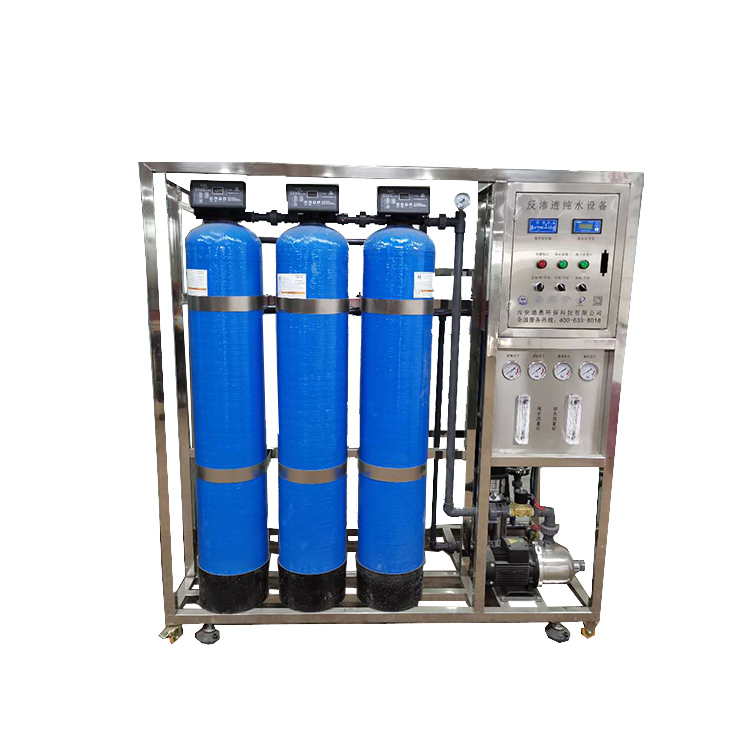 are usually composed of metallic and non-metallic materials, combining the advantages of metallic and non-metallic electrodes. The electrolytic effect and water quality influence of mixed electrodes mainly depend on the electrochemical properties of their constituent materials. For example, copper-graphite mixed electrodes will produce hydrogen and oxygen during the electrolysis process. At the same time, the surface active sites and electrochemical reaction activity of copper-graphite mixed electrodes will also affect the pH value and conductivity of water, thereby influencing water quality.
In summary, the influence of the electrode material of an electrolytic water machine on the electrolytic effect and water quality mainly depends on the electrochemical properties of the electrode. When selecting the electrode material for an electrolytic water machine, it is necessary to comprehensively consider the electrochemical properties of the electrode and the influence on water quality to ensure the performance and water quality of the electrolytic water machine. At the same time, the electrolytic effect and water quality influence of the electrolytic water machine are also affected by other factors, such as the electrolytic parameters of the electrolytic water
 machine and the operating environment of the electrolytic water machine. Therefore, in actual use, adjustments and optimizations need to be made according to specific situations.
About Us
News Center
Core Technologies
Product Showcase

HOTLINE:
ContactsAddresses:
Copyright © 2020-2025 Water Purification Materials and Equipment |