
 National Consultation Hotline:


National Consultation Hotline:
News Center
NEWS
What is the significance and practice of rainwater collection and utilization for water resource protectionг┐
 2025-11-08 03:32:12
The significance and practices of rainwater collection and utilization for water resource protection
In the context of increasingly severe global water resource scarcity and environmental pressure, rainwater collection and utilization has become an effective and environmentally friendly water resource management method. By making reasonable use and effective management of rainwater, not only can the problem of water resource scarcity be alleviated, but water quality can also be improved, the ecological environment can be protected, and sustainable use of water resources can be achieved. This article will discuss the significance of rainwater collection and utilization for water resource protection and introduce some practical and feasible practices.
The significance of rainwater collection and utilization for water resource protection
Alleviating water resource scarcity: Rainwater is one of the abundant water resources in nature. By collecting and reusing rainwater, to some extent, it can alleviate the problem of water resource scarcity in urban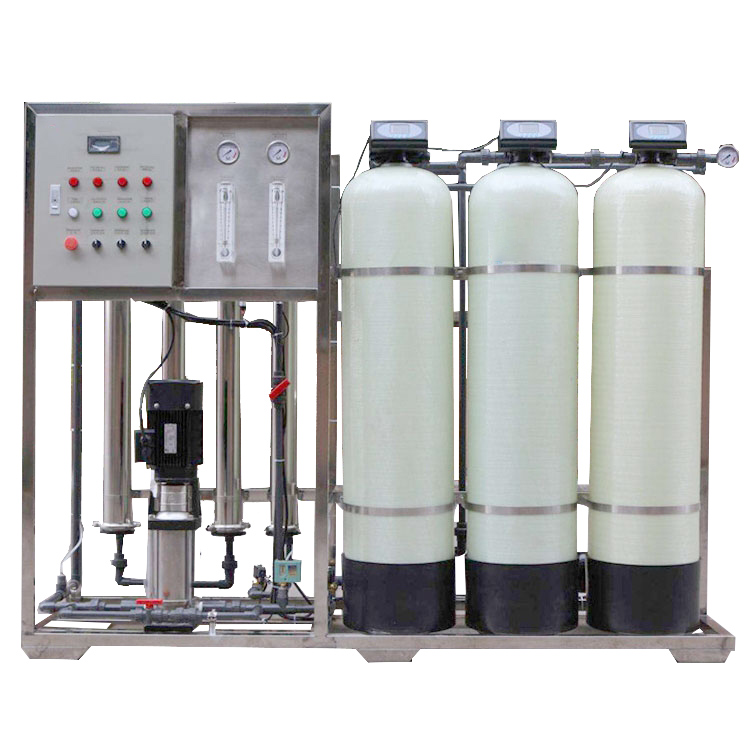 and rural areas, providing necessary water resources for residents' lives and agricultural production.
Improving water quality: Treated rainwater can be directly used for irrigation, flushing toilets, and landscape water, reducing reliance on groundwater and surface water, lowering the risk of water body pollution, and thus improving water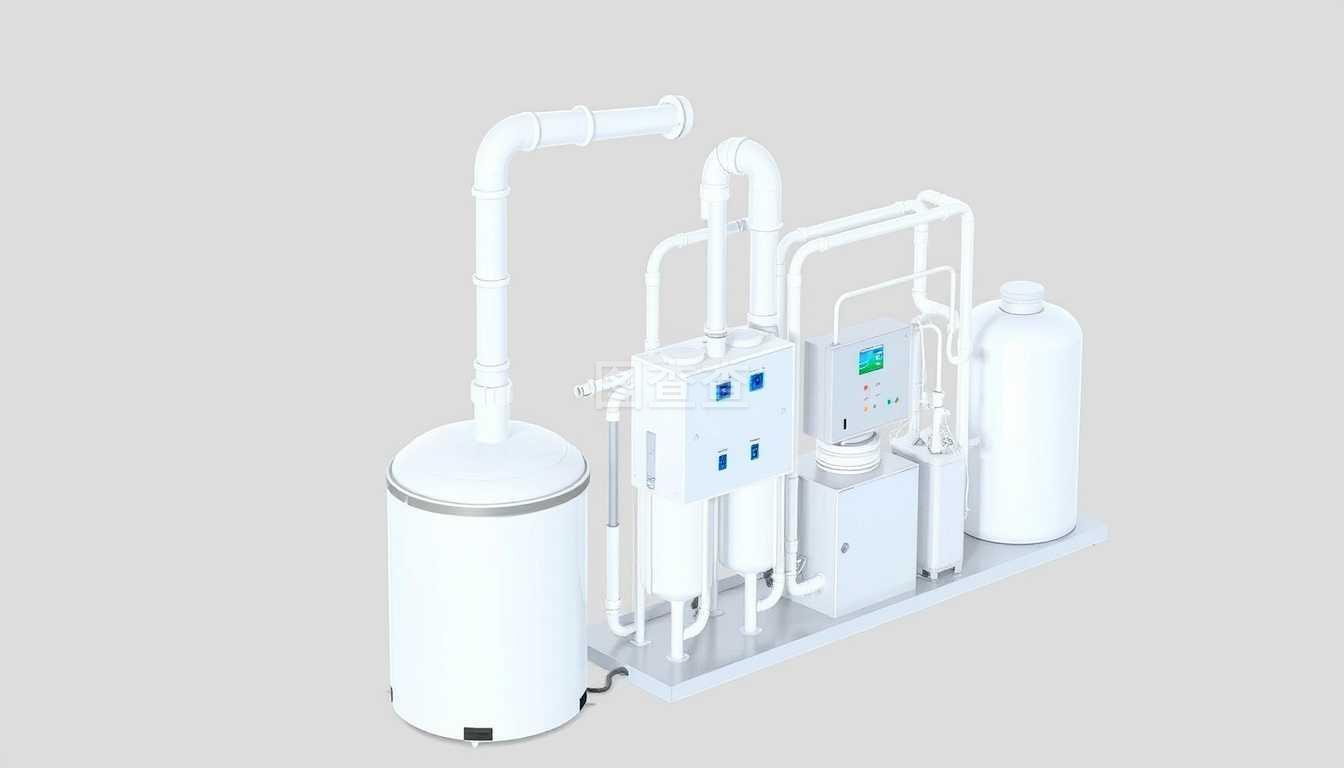 quality.
Protecting the ecological environment: Rainwater collection and utilization help reduce urban runoff pollution, prevent eutrophication of water bodies, protect wetland ecosystems, and promote the protection of biodiversity.
Reducing urban waterlogging: Reasonable collection and utilization of rainwater can effectively reduce urban rainwater runoff, lower the risk of urban waterlogging, and improve the city's flood control capacity.
Actual practices of rainwater collection and utilization
Construction of rainwater gardens and sunken green spaces: By constructing rainwater gardens, sunken green spaces, and other low-impact development facilities, rainwater can be effectively collected and infiltrated, reducing peak runoff and improving urban hydrological conditions.
Roof greening and rainwater collection system: Rainwater collection systems are installed on the roof to store the collected rainwater for non-drinking purposes such as flushing toilets and greening irrigation. Roof greening is not only beautiful but also effectively reduces rainwater runoff and improves the urban heat island effect.
Construction of rainwater infiltration facilities: In urban roads, park green spaces, and other areas, infiltration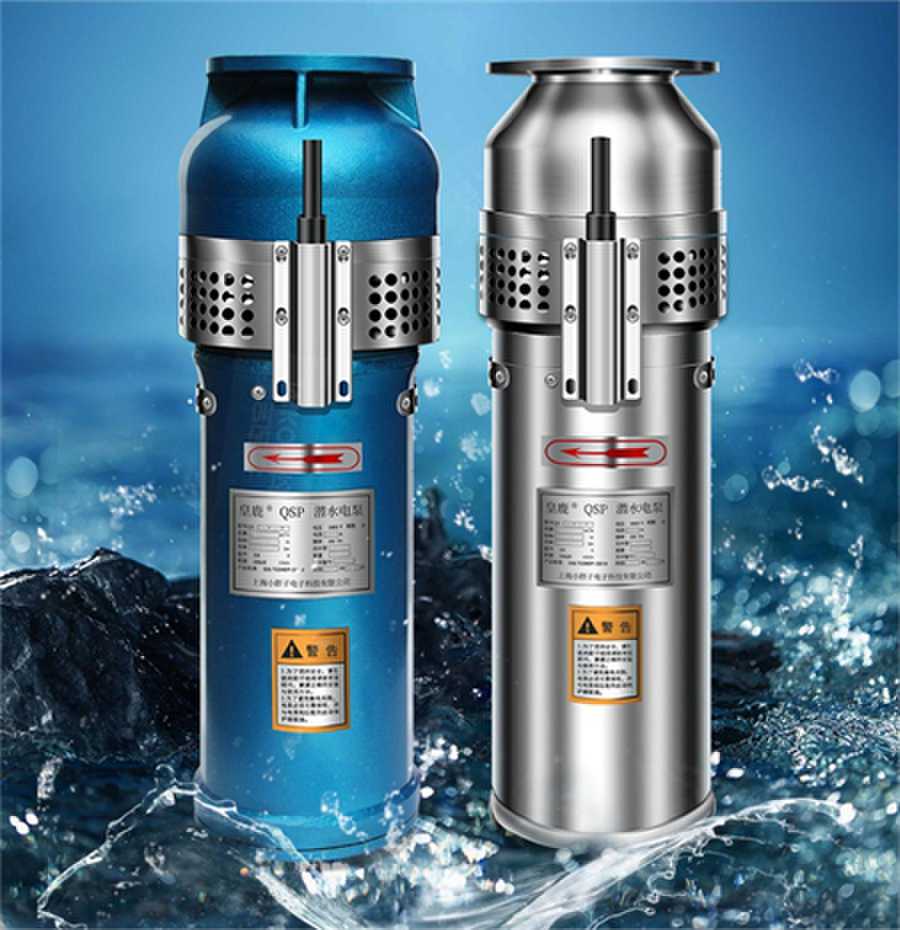 facilities such as permeable bricks and permeable concrete are set up to allow rainwater to infiltrate into the ground, replenish groundwater, and reduce the pressure of rainwater runoff.
Rainwater reuse system: After the collected rainwater is purified through a treatment system, it is used for non-drinking purposes such as flushing toilets, cleaning, and irrigation. By constructing rainwater treatment facilities such as rainwater purification ponds and rainwater filters, the safety of rainwater reuse can be ensured.
Rainwater collection and utilization is one of the important ways to achieve sustainable water resource use. It not only helps alleviate the problem of water resource scarcity but also improves water quality and protects the ecological environment. Through reasonable planning and construction of rainwater collection and utilization systems, the efficiency of water resource use can be effectively improved, promoting a harmonious coexistence between humans and nature.
About Us
News Center
Core Technologies
Product Showcase

HOTLINE:
ContactsAddresses:
Copyright © 2020-2025 Water Purification Materials and Equipment |