
 National Consultation Hotline:


National Consultation Hotline:
News Center
NEWS
How to select the resin in the water softener for different water qualitiesг┐
 2025-12-30 18:54:53
Resin water softeners are equipment used to remove calcium and magnesium ions from water to reduce water hardness. In the resin water softener, the resin plays a core role, removing calcium and magnesium ions from the water through the ion exchange process to achieve the goal of softening water quality. The selection of resins may vary under different water quality conditions. The following will discuss the selection criteria for resins in water softeners from aspects such as resin type, softening capacity, regeneration cycle, and regenerants.
1. Type of resin
Resin water softeners mainly use two types of resins: strong acid cation exchange resins and strong base anion exchange resins. Among them, strong acid cation exchange resins (such as calcium chloride-type resins) are mainly used to remove calcium and magnesium ions from water, while strong base anion exchange resins are mainly used to remove carbonate hardness from water. Depending on the water quality, either a single resin or a combination of both resins can be used.
2. Softening capacity of the resin
Softening capacity is a measure of the resin's ability to remove calcium and magnesium ions. Generally speaking, the softening capacity of the resin can be evaluated by its working exchange capacity. The higher the working exchange capacity, the stronger the softening capacity of the resin. When selecting the resin, the softening capacity should be determined according to the concentration of calcium and magnesium ions in the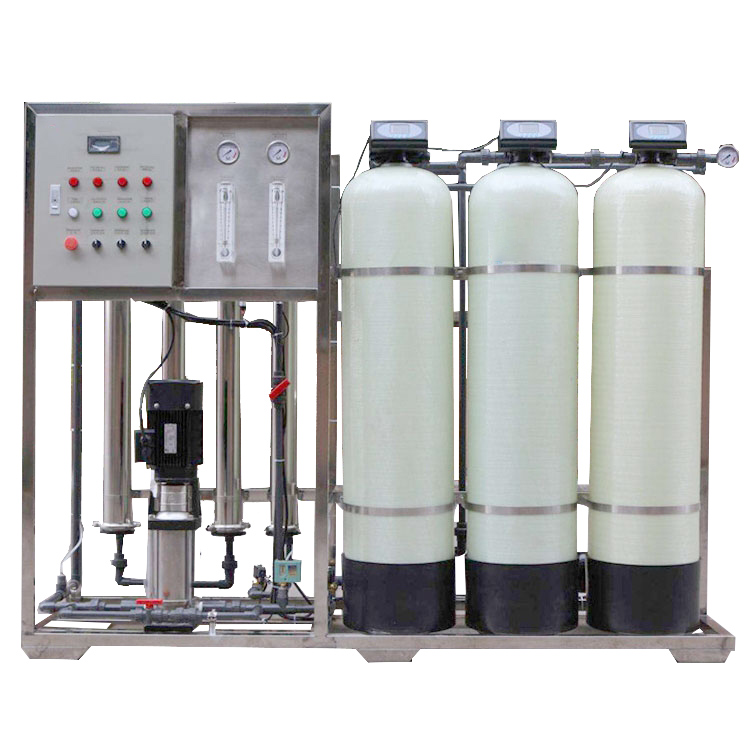 water quality to ensure the water treatment effect.
3. Regeneration cycle
The regeneration cycle of the resin refers to the number of times the resin needs to be replaced or regenerated during continuous use. The length of the regeneration cycle depends on the exchange capacity of the resin and the water quality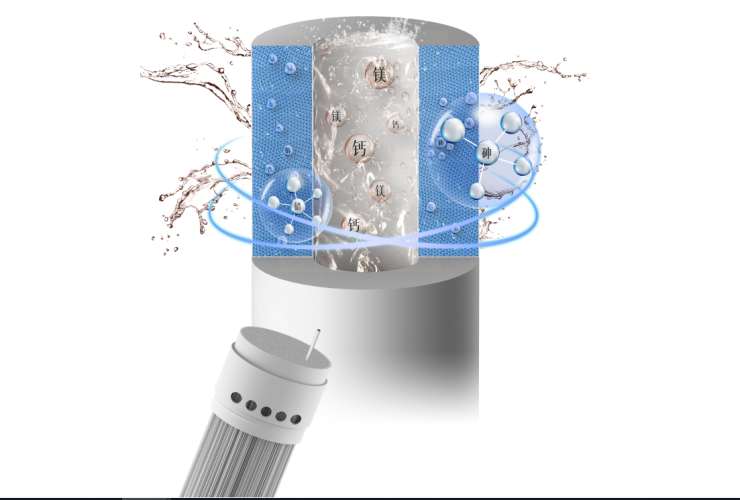 conditions. For water sources with high hardness, the regeneration cycle of the resin may be shorter, while in the case of low softening effect requirements, the regeneration cycle can be appropriately extended. When selecting the resin, it should be considered in terms of water quality conditions and expected softening effect to determine a reasonable regeneration cycle.
4. The choice of regenerant
The choice of regenerant also directly affects the performance of the resin water softener. Common regenerants include saltwater (mainly brine) and regenerant solutions (such as sodium sulfate solutions). Saltwater regenerants have a lower cost but may cause certain corrosiveness to the equipment. Although regenerant solutions are more expensive, they have lower corrosiveness to the equipment and can effectively control the content of sulfate ions in the water. When selecting the resin, it should be considered comprehensively in terms of cost, equipment corrosion, and water quality control to select the appropriate regenerant.
5. Conclusion
When selecting the resin for a water softener, it is necessary to consider the actual water quality, comprehensively taking into account factors such as the type of resin, softening capacity, regeneration cycle, and the choice of regenerant. A reasonable resin selection can not only ensure the water treatment effect but also improve the operation efficiency of the equipment and extend the service life of the equipment. Therefore, in practical applications, it is recommended to consult professional engineers for selection according to specific water quality and requirements to achieve the best softening effect.
About Us
News Center
Core Technologies
Product Showcase

HOTLINE:
ContactsAddresses:
Copyright © 2020-2025 Water Purification Materials and Equipment |