
 National Consultation Hotline:


National Consultation Hotline:
News Center
NEWS
What are the types of membrane components in the membrane bioreactor and their respective application scenariosг┐
 2026-01-17 18:16:54
As a wastewater treatment method that combines biological treatment and membrane separation technology, the membrane bioreactor (Membrane Bioreactor, abbreviated as MBR) has the advantages of high processing efficiency, small land occupation, and stable operation, and has been widely used in the field of wastewater treatment at home and abroad. One of the core components of MBR is the membrane component, which has many types, each with its specific application scenarios. The following will give a detailed introduction to several common types of membrane components and their application scenarios.
1. MF (Microfiltration) Components
Microfiltration membrane components are mainly used for removing suspended solids, colloids, and bacteria, etc., from water, with a pore size range generally between 0.001 and 0.1 micrometers. Microfiltration membrane components are suitable for treating wastewater with a high concentration of suspended solids, such as wastewater from papermaking, textile, food processing, and other industries. In the wastewater produced by these industries, the content of suspended solids is often high, and the use of microfiltration membrane components can effectively remove these particles, ensuring the stable operation of subsequent treatment processes.
2. UF (Ultrafiltration)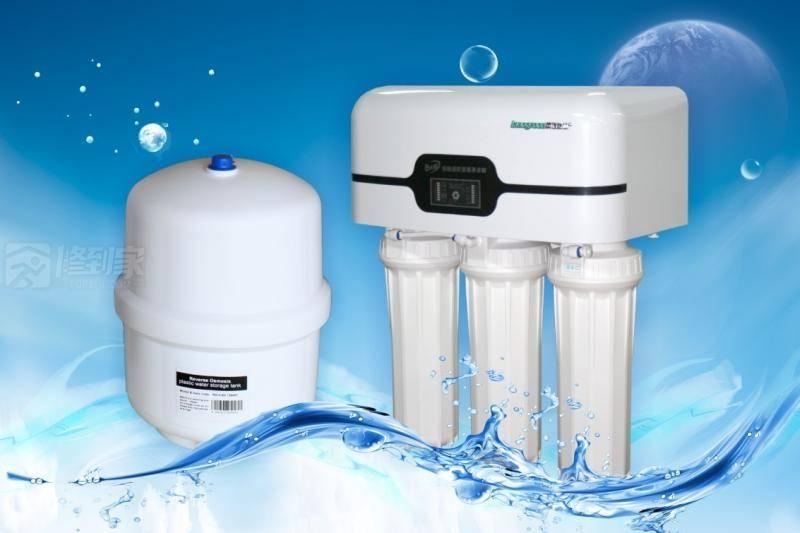 Components
Ultrafiltration membrane components are mainly used for removing organic matter, bacteria, viruses, and other substances from water, with a pore size range generally between 0.001 and 0.1 micrometers, but slightly larger than that of microfiltration membranes. Ultrafiltration membrane components are suitable for treating wastewater that requires retaining a certain amount of organic matter, such as certain industrial wastewater and food processing wastewater. Water treated by ultrafiltration membranes can retain a certain amount of organic matter, providing a foundation for subsequent deep treatment.
3. RO (Reverse Osmosis) Components
Reverse osmosis membrane components are mainly used for removing salts and dissolved substances from water, with extremely small pore sizes, generally below 0.0001 micrometers. Reverse osmosis membrane components are suitable for treating high-salt wastewater or situations requiring deep desalination, such as seawater desalination and industrial wastewater treatment. Reverse osmosis membrane components can effectively remove salts from water, making the treated water reach a high purity standard.
4. MBR (Membrane Bioreactor) Components
The membrane bioreactor is a treatment technology that combines MBR membrane components with bioreactors, where the membrane components mainly undertake the function of solid-liquid separation, while the bioreactor is responsible for the degradation of organic matter by microorganisms. The membrane bioreactor is suitable for treating various types of wastewater, especially for treating wastewater containing a large amount of organic matter and suspended solids. Through the solid-liquid separation function of the MBR components, the processing efficiency of the bioreactor can be significantly improved, the sludge production can be reduced, and the operating costs can be lowered.
Conclusion
There are many types of membrane components in the membrane bioreactor, each with its specific application scenarios. Choosing the appropriate membrane component can effectively improve the processing efficiency and operational stability of the MBR system, thereby achieving better processing results. In practical applications, it is necessary to reasonably select and combine different membrane components according to the characteristics of the wastewater and the processing objectives to achieve the best processing results.
About Us
News Center
Core Technologies
Product Showcase

HOTLINE:
ContactsAddresses:
Copyright © 2020-2025 Water Purification Materials and Equipment |