
 National Consultation Hotline:


National Consultation Hotline:
News Center
NEWS
What are the differences in filtration range between ultrafiltration water purifiers and reverse osmosis water purifiersг┐
 2026-01-19 02:38:44
Ultrafiltration water purifiers play an important role in the field of water purification, but their working principles and filtration effects have distinct differences. This article will explore the differences in filtration range between ultrafiltration water purifiers and reverse osmosis water purifiers from two aspects.
Ultrafiltration water purifier
Ultrafiltration water purifiers are a type of water purification equipment that uses ultrafiltration membrane technology to remove large molecular organic matter, suspended matter, viruses, bacteria, and other particulate matter from water. The pore size of the ultrafiltration membrane is generally between 0.001 micrometers and 0.1 micrometers, which means it can effectively block particles with a diameter larger than the membrane pores. The ultrafiltration membrane has a good removal effect on harmful substances in water such as suspended matter, colloids, bacteria, and viruses, but it cannot remove soluble organic matter and inorganic salts in water.
Reverse osmosis water purifier
Reverse osmosis water purifiers utilize reverse osmosis membrane technology to separate soluble substances, organic matter, heavy metal ions, bacteria, viruses, and other harmful substances from water by utilizing the osmotic pressure difference, achieving the purpose of water purification. The pore size of the reverse osmosis membrane is smaller, usually around 0.0001 micrometers, which can effectively block more than 99% of impurities outside of water molecules. Therefore,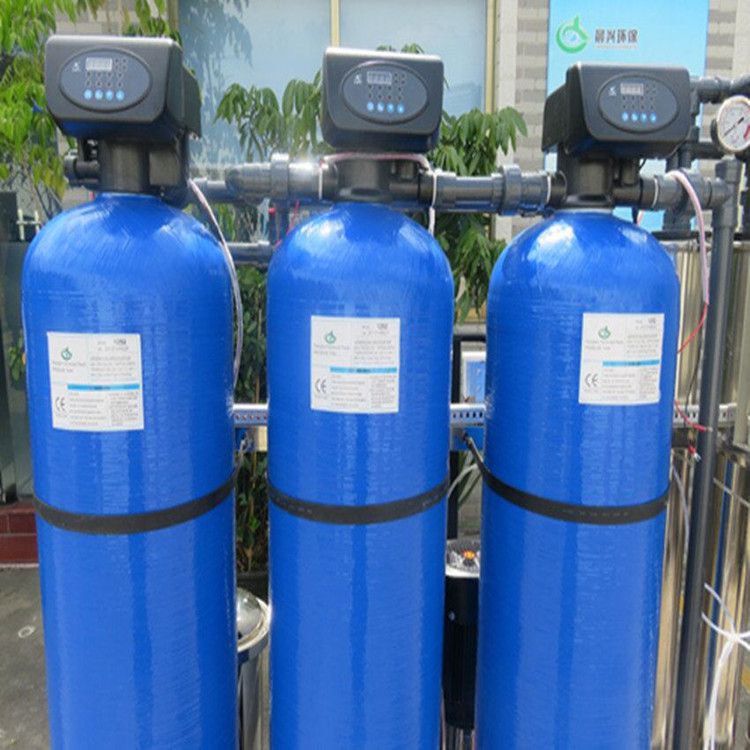 reverse osmosis water purifiers can remove almost all impurities from water, including bacteria, viruses, organic matter, inorganic salts, and more.
Comparison of filtration range
From the perspective of filtration range, ultrafiltration water purifiers mainly target large particle substances such as suspended matter, colloids, some bacteria, and viruses. In contrast, reverse osmosis water purifiers can remove most impurities from water, including bacteria, viruses, organic matter, inorganic salts, and more. While removing impurities from water, reverse osmosis water purifiers also remove some beneficial minerals and trace elements for the human body. Therefore, reverse osmosis water purifiers usually need to be paired with mineral supplement devices to maintain the intake of necessary minerals for the human body.
Summary
Ultrafiltration water purifiers and reverse osmosis water purifiers each have their own applicable scenarios and characteristics. Ultrafiltration water purifiers are suitable for daily drinking water at home and can effectively remove large particle impurities from water, making them suitable for complex water quality conditions in families. In contrast, reverse osmosis water purifiers are suitable for situations with high water quality requirements, such as upscale families, offices, and hotels. The choice of which water purifier to use should be based on the actual water quality conditions and usage requirements. When choosing, one also needs to pay attention to the frequency of filter core replacement to ensure the continuous and effective purification of water quality.
About Us
News Center
Core Technologies
Product Showcase

HOTLINE:
ContactsAddresses:
Copyright © 2020-2025 Water Purification Materials and Equipment |