
 National Consultation Hotline:


National Consultation Hotline:
News Center
NEWS
The impact and regulation of water pH changes on the survival of aquatic organismsг┐
 2026-03-14 23:12:06
The impact of water pH changes on the survival of aquatic organisms is significant, affecting not only the physiological functions of organisms but also their population reproduction and the stability of ecosystems. Therefore, understanding the impact and regulatory mechanisms of water pH changes on aquatic organisms is of great importance for maintaining the health and sustainable development of aquatic ecosystems.
Water pH (pH value)
The pH of water is determined by the concentration of hydrogen ions (H+) in water, usually expressed as the pH value, which ranges from 0 to 14. A pH value of 7 represents neutrality, less than 7 indicates acidity, and greater than 7 indicates alkalinity. Changes in water pH, especially acidification and alkalization, directly affect the living environment of aquatic organisms.
Adaptability of aquatic organisms to pH
Different aquatic organisms have different adaptability to water pH. For example, some fish and aquatic insects can adapt to different pH environments by changing the ionic balance within their bodies. Some algae and microorganisms, however, are more sensitive to pH changes, and their growth and reproduction are significantly affected.
The impact of acidification on aquatic organisms
Acidification primarily affects aquatic organisms by lowering the pH value of water bodies. Studies have shown that acidification can disrupt the respiratory process of aquatic organisms, affect their energy metabolism, and thereby affect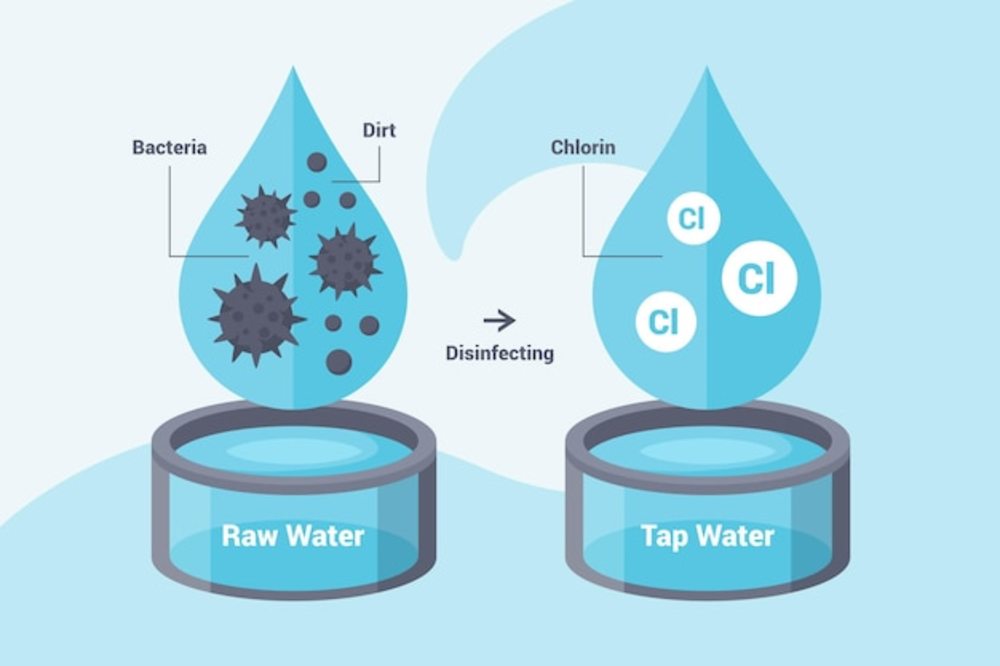 their growth and reproductive capacity. In addition, acidification may change the dissolved oxygen content in water bodies, further affecting the survival of organisms.
The impact of alkalization on aquatic organisms
Alkalization primarily affects aquatic organisms by increasing the pH value of water bodies. Alkalization may alter the dissolved oxygen levels in water bodies, affecting the respiratory process of organisms. Moreover,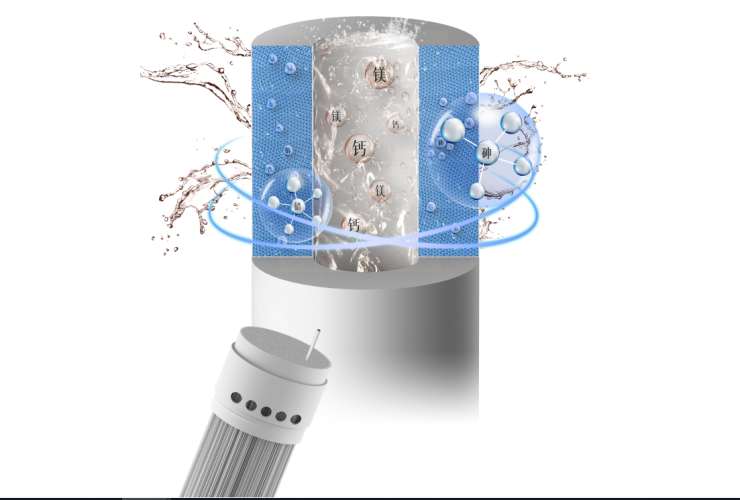 alkalization may cause metal ions (such as calcium, magnesium, iron, etc.) to exist in a more bioavailable form, thereby increasing the metal load in organisms and posing a threat to their health.
Regulating the pH of water
To protect aquatic ecosystems, regulating the pH of water is an important measure. This includes reducing the emission of acidic and alkaline substances from pollution sources, industrial wastewater, and agricultural runoff, as well as implementing natural or artificial buffering measures for water bodies. For example, by increasing buffering substances in water bodies (such as calcium carbonate) to neutralize acidic substances, or introducing plants (such as floating plants) to absorb excessive carbon dioxide, thereby regulating the pH value of water.
Conclusion
The change in water pH poses a threat to the survival of aquatic organisms, thus, protecting the acid-base balance of water bodies is crucial for maintaining the health of aquatic ecosystems. Through scientific and reasonable management and protection measures, we can create a more suitable living environment for aquatic organisms.
About Us
News Center
Core Technologies
Product Showcase

HOTLINE:
ContactsAddresses:
Copyright © 2020-2025 Water Purification Materials and Equipment |