
 National Consultation Hotline:


National Consultation Hotline:
News Center
NEWS
What are the battery life and charging methods of portable water purifiersг┐
 2025-11-02 05:29:20
Battery life and charging methods of portable water purifiers
In modern society, the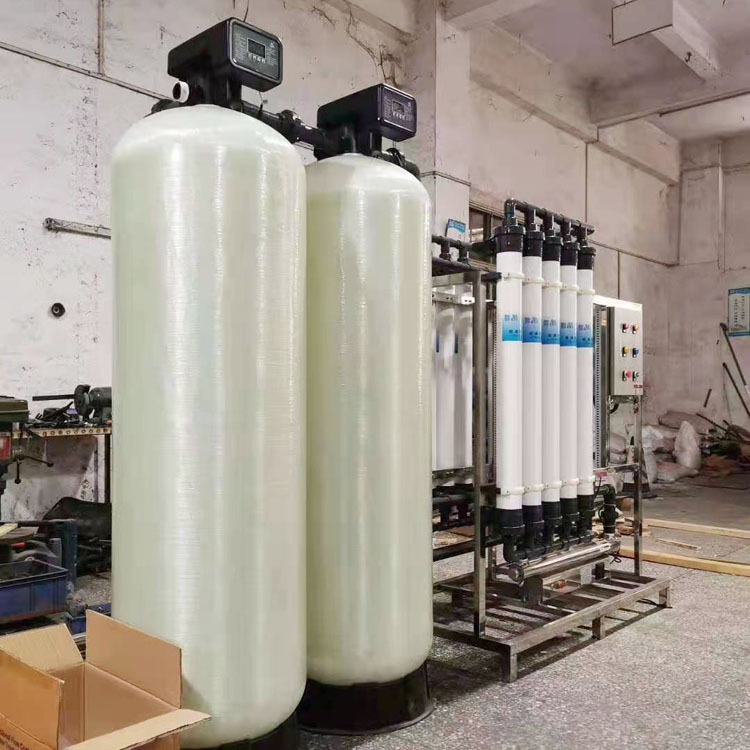 demand for safe drinking water is increasing, and portable water purifiers have gradually become an indispensable part of people's lives due to their convenience, portability, and fast purification capabilities. Such purifiers are usually equipped with batteries to ensure normal operation even without a power source. For users, understanding the battery life and how to charge it is a very important matter when using these purifiers. Below, we will discuss in detail the battery life and charging methods of portable water purifiers.
First, the battery life of small portable water purifiers
The battery life of small portable water purifiers varies due to different brands and models. Generally, the battery capacity of small water purifiers is usually between 2000mAh and 5000mAh. This means that when fully charged, these water purifiers can work continuously for several hours, the specific time depending on the power of the water purifier, the filtering speed, and the frequency of use by the user, among other factors.
For example, a water purifier with a battery capacity of 4000mAh, if its power setting is 2000 liters of water per hour, it can theoretically work continuously for about 2 hours. However, in actual use, the operating speed of the water purifier is affected by factors such as the filter material and filter accuracy, so the battery life may vary.
Second, charging methods
The charging methods of small portable water purifiers mainly include the following:
USB charging: This is the most common method, as water purifiers usually come with a USB charging port that can be directly connected to a mobile phone charger or a computer USB port for charging. This method is simple and convenient and suitable for most smartphones and laptop USB ports.
Portable power bank: If the battery capacity of the water purifier is large, or the user wants to be more convenient when using it outdoors, consider using a portable power bank for charging. The power bank can provide more power to ensure that the water purifier does not run out of power during long-term use.
Solar charging: For some high-end products, manufacturers may provide solar charging functions. This type of water purifier absorbs solar energy through solar panels and converts it into electricity for the water purifier to use. This method is environmentally friendly and sustainable, especially suitable for outdoor use.
Quick charger: Some high-end water purifiers are equipped with quick chargers that can quickly charge the battery in a short time, which is very suitable for situations that require fast charging.
Third, precautions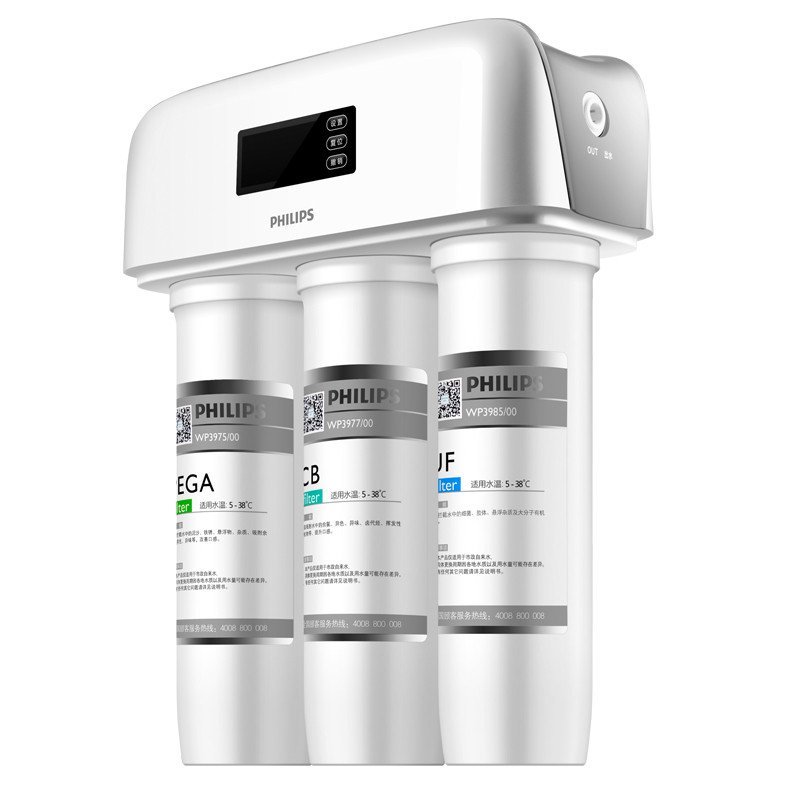
Avoid overcharging: Overcharging the battery can damage the battery life, so after charging is complete, the water purifier should be placed in a dry and ventilated place to prevent the battery from overheating.
Regularly check the battery status: Regularly check the battery status of the water purifier to ensure its normal operation and avoid the device being unusable due to battery issues at critical moments.
Use the original charger: To ensure charging safety and battery life, try to use the original charger provided with the water purifier for charging, and avoid using non-original chargers to prevent potential safety hazards.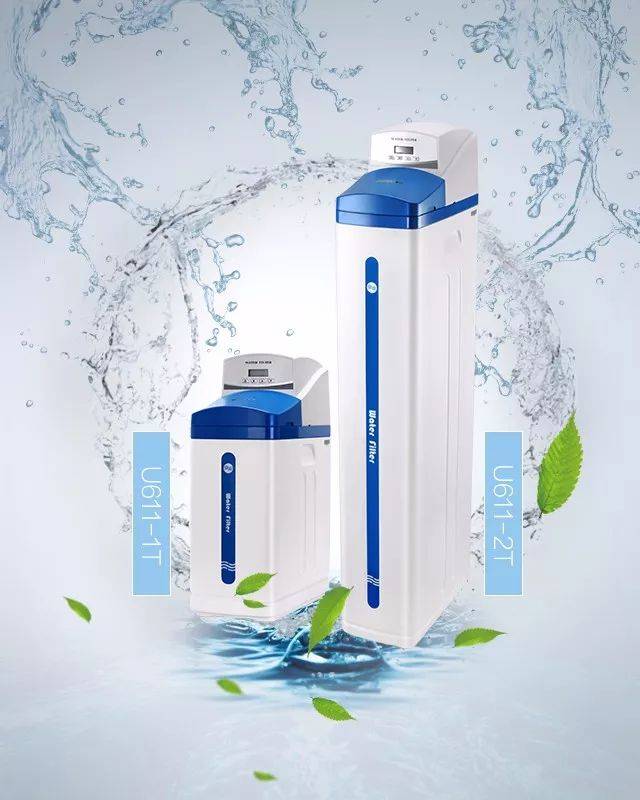
In summary, understanding the battery life and charging methods of portable water purifiers is crucial for ensuring the normal operation of the device, extending the battery life, and enhancing the user experience. By using the charging method reasonably, users can better enjoy the convenience brought by portable water purifiers.
About Us
News Center
Core Technologies
Product Showcase

HOTLINE:
ContactsAddresses:
Copyright © 2020-2025 Water Purification Materials and Equipment |