
 National Consultation Hotline:


National Consultation Hotline:
News Center
NEWS
Where are the performance differences between different types of ion exchange resin water purifiersг┐
 2025-12-18 18:35:39
Where are the performance differences between different types of ion exchange resin water purifiers?
In the water purification process of water purifiers, ion exchange resin water purifiers are one of the important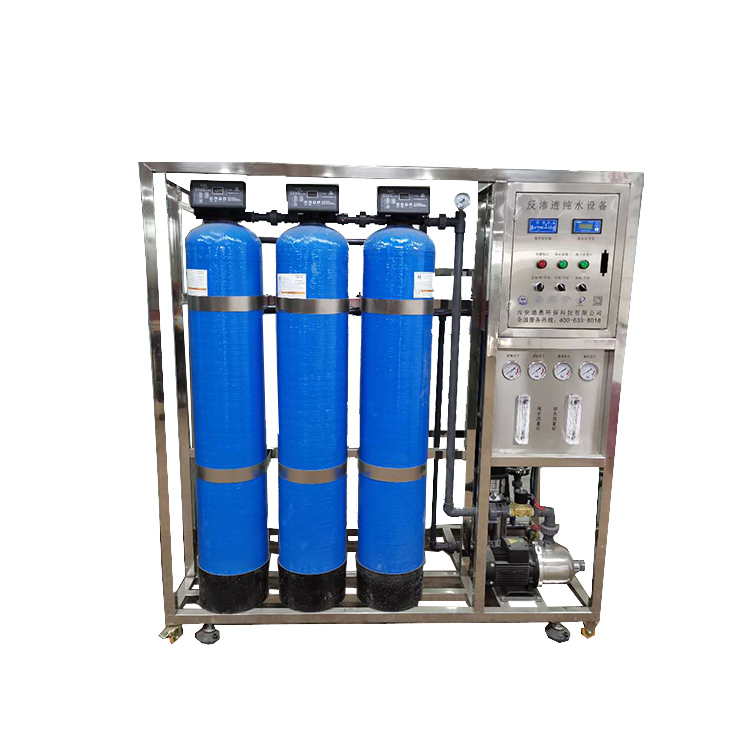 methods of water purification. It adsorbs calcium and magnesium ions in water through ion exchange resins, thereby achieving the effect of softening water. Ion exchange resins play a crucial role in water purifiers. Due to the differences in chemical structure and functional characteristics among different types of ion exchange resins, they exhibit different performance characteristics in water purifiers. Next, we will analyze in detail the types and performance differences of several common ion exchange resins.
1. Anion Exchange Resin
Anion exchange resins are mainly used to remove anion impurities from water, such as organic matter and inorganic salts. Anion exchange resins have a large exchange capacity and can effectively remove organic matter and inorganic salts from water. However, during regeneration, anion exchange resins produce a large amount of concentrated waste acid and waste alkali, which have a certain impact on the environment. Therefore, it is necessary to strictly control the concentration and regeneration cycle of the regenerant during use to reduce the discharge of waste acid and waste alkali.
2. Cation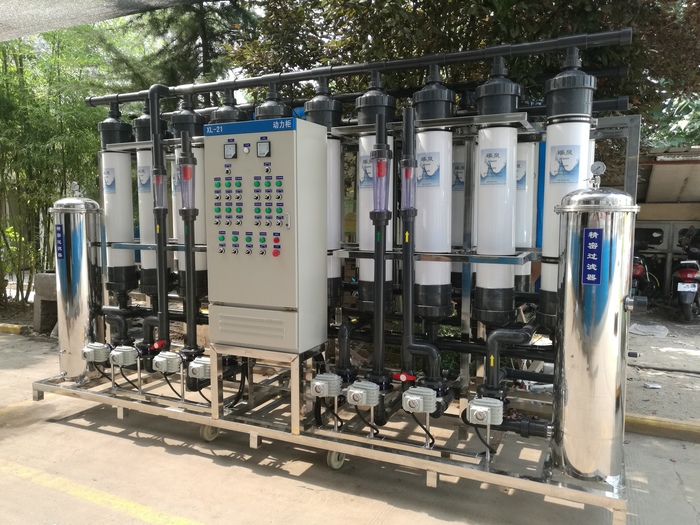 Exchange Resin
Cation exchange resins are mainly used to remove cation impurities from water, such as calcium and magnesium ions. The regenerant for cation exchange resins is acid, with a relatively mild regeneration process that has a smaller environmental impact. However, the regeneration cycle of cation exchange resins is relatively short, requiring regular replacement of the resin,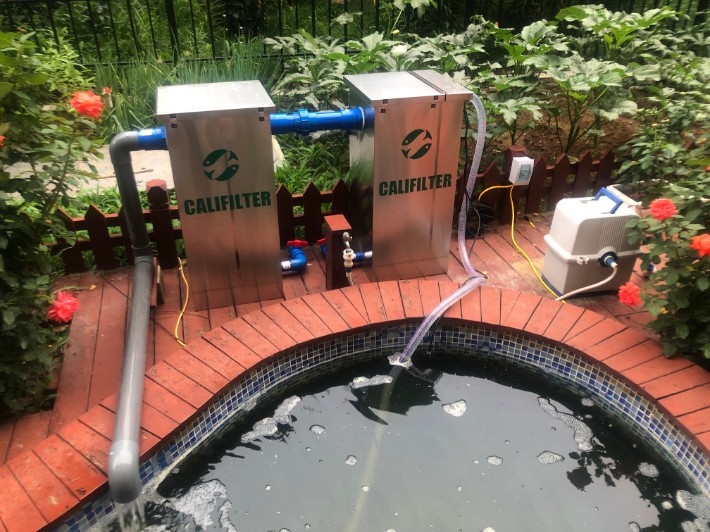 which increases the operating cost. In addition, cation exchange resins have relatively poor removal effects on organic matter and inorganic salts.
3. Mixed Ion Exchange Resin
Mixed ion exchange resins combine the advantages of anion exchange resins and cation exchange resins, allowing for the simultaneous removal of anion and cation impurities from water. The regenerant for mixed ion exchange resins is acid and alkali, with a relatively mild regeneration process that has a smaller environmental impact. The regeneration cycle of mixed ion exchange resins is relatively longer, which can effectively reduce the operating cost. However, due to the larger amount of regenerant used in mixed ion exchange resins, larger regeneration tanks and equipment are required.
4. Composite Ion Exchange Resin
Composite ion exchange resins are based on mixed ion exchange resins and incorporate other functional materials such as activated carbon and zeolite to enhance their ability to remove organic matter, odor, heavy metals, and other impurities from water. The amount of regenerant used in composite ion exchange resins is larger, requiring larger regeneration tanks and equipment. The regeneration cycle of composite ion exchange resins is relatively longer, which can effectively reduce the operating cost. However, due to the larger amount of regenerant used in composite ion exchange resins, larger regeneration tanks and equipment are required, which increases the equipment investment cost.
5. Modified Ion Exchange Resin
Modified ion exchange resins are obtained by changing the chemical structure and functional properties of ion exchange resins, thereby achieving better performance. The amount of regenerant used in modified ion exchange resins is smaller, which can reduce the regeneration cost. The regeneration cycle of modified ion exchange resins is relatively longer, which can effectively reduce the operating cost. However, due to the smaller amount of regenerant used in modified ion exchange resins, larger regeneration tanks and equipment are required, which increases the equipment investment cost.
In summary, the types of ion exchange resins vary, and their performance differences are mainly reflected in aspects such as the type and amount of regenerant, regeneration cycle, and equipment investment cost. When selecting ion exchange resins, it is necessary to consider various factors according to the specific application scenario and requirements, and choose the most suitable ion exchange resin.
About Us
News Center
Core Technologies
Product Showcase

HOTLINE:
ContactsAddresses:
Copyright © 2020-2025 Water Purification Materials and Equipment |