
 National Consultation Hotline:


National Consultation Hotline:
News Center
NEWS
Will the water flow rate of the activated carbon water purifier change due to the usage timeг┐
 2026-02-12 20:26:56
Will the water flow rate of the activated carbon water purifier change due to the usage time?
An activated carbon water purifier is a water purification equipment using activated carbon as the filtering medium, widely used in homes, offices, schools, and other places. Its main function is to remove impurities, organic matter, odors, and harmful substances from water to improve water quality. However, many people are concerned about whether the water flow rate of the activated carbon water purifier will change due to the increase in usage time. This article will discuss this issue.
One, The structure and working principle of activated carbon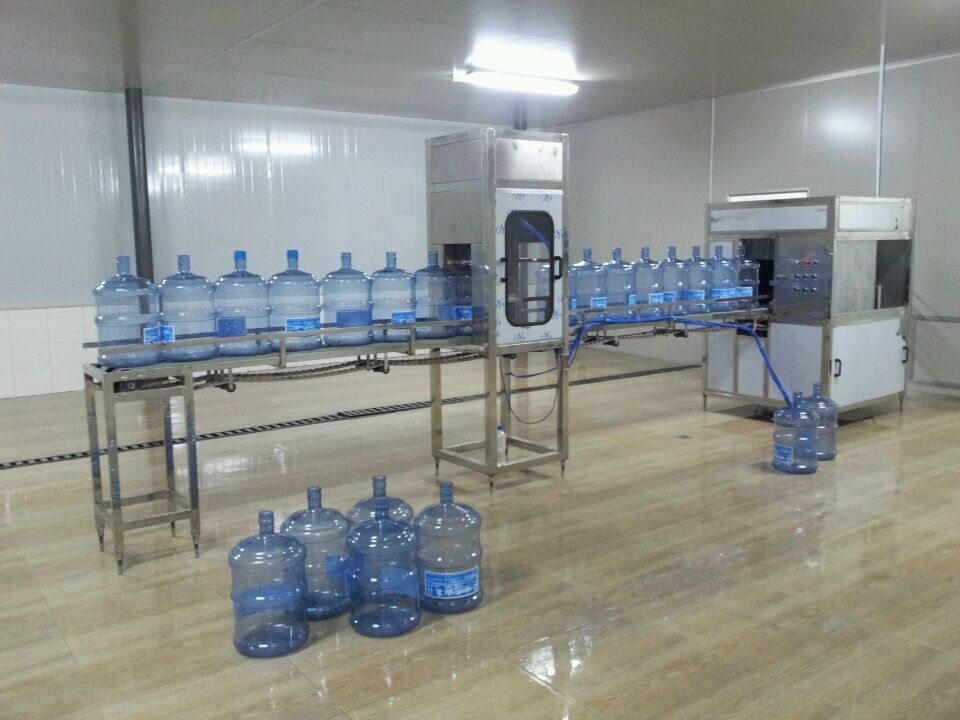 water purifiers
An activated carbon water purifier is generally composed of parts such as the filter core, inlet, outlet, and control panel. Its working principle is mainly to pass through the activated carbon layer in the filter core to adsorb suspended matter, heavy metals, organic matter, bacteria, and other impurities in the water, thus purifying the water quality. The adsorption capacity of the activated carbon layer is limited, and it needs to be replaced or cleaned regularly after reaching a certain degree of adsorption to ensure the purification effect.
Two, The relationship between the water flow rate of activated carbon water purifiers and the usage time
Generally speaking, the relationship between the water flow rate of an activated carbon water purifier and the usage time is not directly related. That is, the water flow rate of the purifier will not change due to the increase in usage time. This is because the water flow rate is mainly affected by factors such as water pressure, the structural design of the purifier, and the physical properties of the filter material, and is unrelated to the adsorption capacity of the filter material.
However, the increase in usage time may lead to a decrease in the adsorption capacity of the activated carbon layer, thus affecting the purification effect. For example, after the activated carbon layer adsorbs to a certain extent, adsorption saturation may occur, at which point, the water flow rate may slow down. Therefore, to ensure the purification effect, it is necessary to regularly replace or clean the activated carbon layer.
Three, Factors affecting the water flow rate of activated carbon water purifiers
Water pressure: The higher the water pressure, the faster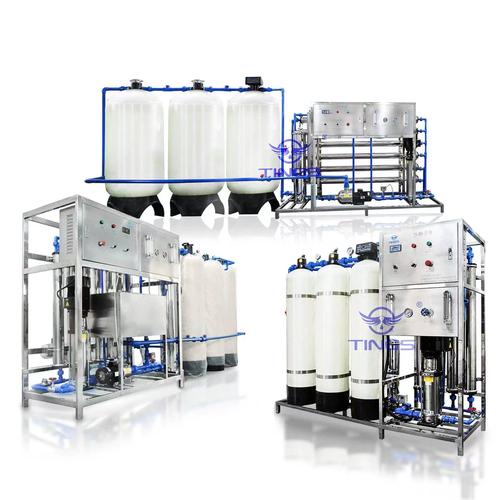 the water flow rate. Therefore, during the use process, if the water pressure suddenly increases, it may cause a temporary slowdown in water flow rate.
Physical properties of filter material: The pore size and structural shape of the filter material will affect the water flow rate. For example, the particle size, shape, and density of activated carbon particles will affect the water flow rate.
Amount of filter material filling: Too much or too little filling of the filter material will affect the water flow rate. Too much filling will slow down the water flow rate; too little filling will speed up the water flow rate.
Adsorption capacity of filter material: When the adsorption capacity of the filter material reaches saturation, the water flow rate will slow down.
Four, Summary
In summary, the water flow rate of an activated carbon water purifier is mainly affected by factors such as the water pressure, the physical properties of the filter material, the amount of filter material filling, and the adsorption capacity of the filter material, and is not directly related to the usage time. Therefore, when using an activated carbon water purifier, in addition to regularly replacing or cleaning the filter material, attention should also be paid to changes in water pressure, the physical properties of the filter material, the amount of filter material filling, and the adsorption capacity of the filter material to ensure the purification effect.
About Us
News Center
Core Technologies
Product Showcase

HOTLINE:
ContactsAddresses:
Copyright © 2020-2025 Water Purification Materials and Equipment |