
 National Consultation Hotline:


National Consultation Hotline:
News Center
NEWS
What are the typical differences in sensory characteristics of water from different sourcesг┐
 2025-10-29 03:58:16
Typical Differences in Sensory Characteristics of Water from Different Sources
Water is the source of life, the foundation for the growth of all things, and one of the most common substances on Earth. Water from different sources shows obvious differences in sensory characteristics, which not only affect people's drinking experience but also affect the safety of water quality, even having potential effects on human health. This article will explore the typical differences in sensory characteristics of water from different sources, such as vision, olfaction, taste, and touch.
Visual Differences
The visual differences between water from different sources are mainly reflected in color and transparency. For example, groundwater usually appears clear and transparent, while surface water such as river and lake water may exhibit different colors, such as blue-green and yellow-green, which are mainly determined by substances such as suspended matter, organic matter, and minerals in the water. Groundwater, due to its contact with underground rocks and soil, often contains minerals that may cause the water to appear in colors such as blue, green, and yellow. Surface water, on the other hand,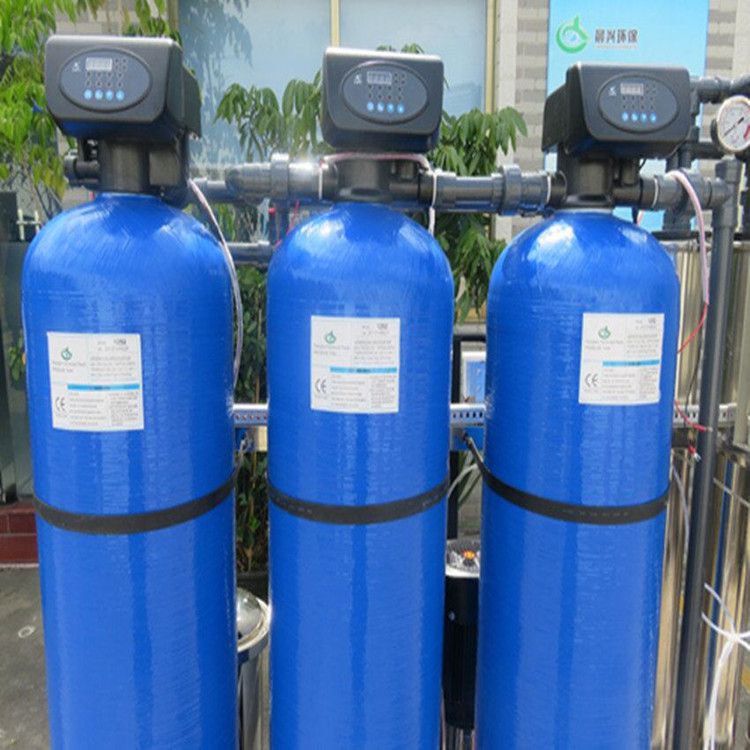 may be influenced by soil, sediments, algae, and other factors, resulting in a more diverse range of water colors. In addition, the transparency of water from different sources also varies, which is related to the amount of impurities such as suspended matter and organic matter in the water. Groundwater, after passing through stratified layers, usually has a higher transparency, while surface water, due to natural environmental influences, has a lower transparency.
2. Olfactory Differences
Olfaction is an important aspect of people's perception of water quality. The differences in olfactory sensation between water from different sources are mainly reflected in the smell of the water. Groundwater, due to contact with underground rocks and soil, usually does not emit a distinct smell because the mineral components and organic matter content in groundwater are relatively low. In contrast, surface water such as river and lake water may emit some smells, mainly due to the influence of microorganisms, algae, sediments, and other factors in the water body. For example, river water may emit a faint fishy or decayed smell, while lake water may emit a faint algae smell. In addition, some industrial wastewater and domestic sewage may also lead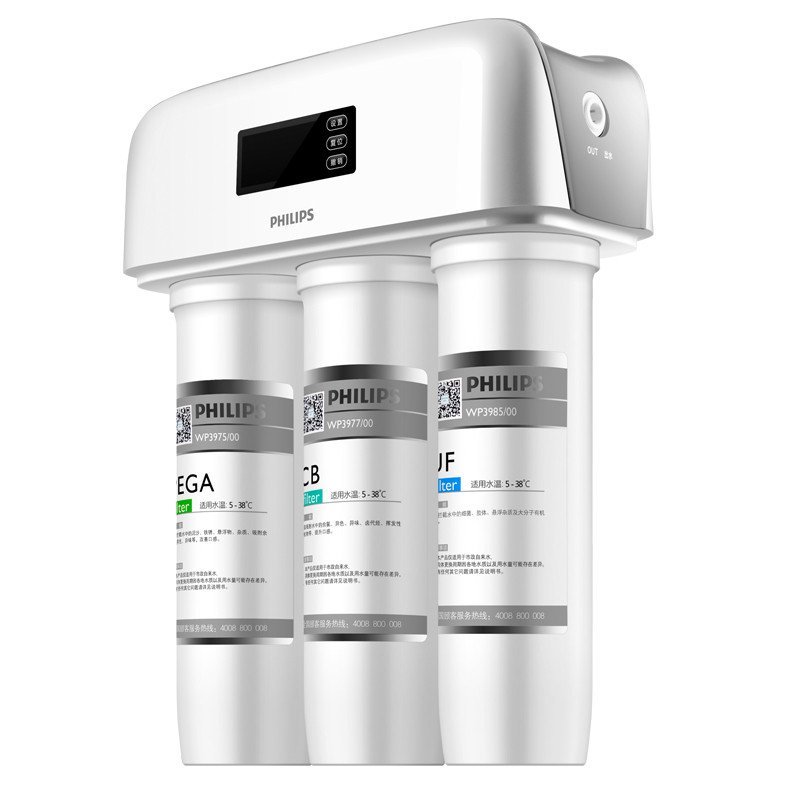 to unpleasant smells in surface water. Therefore, when choosing drinking water, one should not only pay attention to the appearance and taste of the water but also pay attention to its smell to ensure the safety and health of drinking water.
3. Taste Differences
Taste is another important aspect of people's perception of water quality. The differences in taste between water from different sources are mainly reflected in the taste of the water. Groundwater, due to contact with underground rocks and soil, usually has a purer taste because the mineral components and organic matter content in groundwater are relatively low. In contrast, surface water such as river and lake water may have a more complex taste, mainly due to the influence of microorganisms, algae, sediments, and other factors in the water body. For example, river water may have a bitter taste, while lake water may have a sweet taste. In addition, some industrial wastewater and domestic sewage may also lead to abnormal taste of surface water. Therefore, when choosing drinking water, one should not only pay attention to the appearance and smell of the water but also pay attention to its taste to ensure the safety and health of drinking water.
4. Tactile Differences
Tactile sensation is another important aspect of people's perception of water quality. The differences in tactile sensation between water from different sources are mainly reflected in the texture of the water. Groundwater, due to contact with underground rocks and soil, is usually finer in texture because the mineral components and organic matter content in groundwater are relatively low. On the other hand, surface water such as river and lake water may be coarser in texture, mainly due to the influence of microorganisms, algae, sediments, and other factors in the water body. For example, river water may be coarser, while lake water may be finer. In addition, some industrial wastewater and domestic sewage may also lead to abnormal texture of surface water. Therefore, when choosing drinking water, one should not only pay attention to the appearance, smell, and taste of the water but also pay attention to its texture to ensure the safety and health of drinking water.
In general, water from different sources shows obvious differences in sensory characteristics. These differences not only affect people's drinking experience but also affect the safety of water quality, even having potential impacts on human health. Therefore, when choosing drinking water, one should not only pay attention to the appearance, smell, taste, and texture of the water but also pay attention to the safety and health of water quality to ensure the safety and health of drinking water.
About Us
News Center
Core Technologies
Product Showcase

HOTLINE:
ContactsAddresses:
Copyright © 2020-2025 Water Purification Materials and Equipment |