
 National Consultation Hotline:


National Consultation Hotline:
News Center
NEWS
How to ensure the hygiene and safety of drinking water during storageг┐
 2026-01-07 13:08:57
How to ensure the hygiene and safety of drinking water during storage?
Water is the source of life and an essential material foundation for human survival and development. The hygiene and safety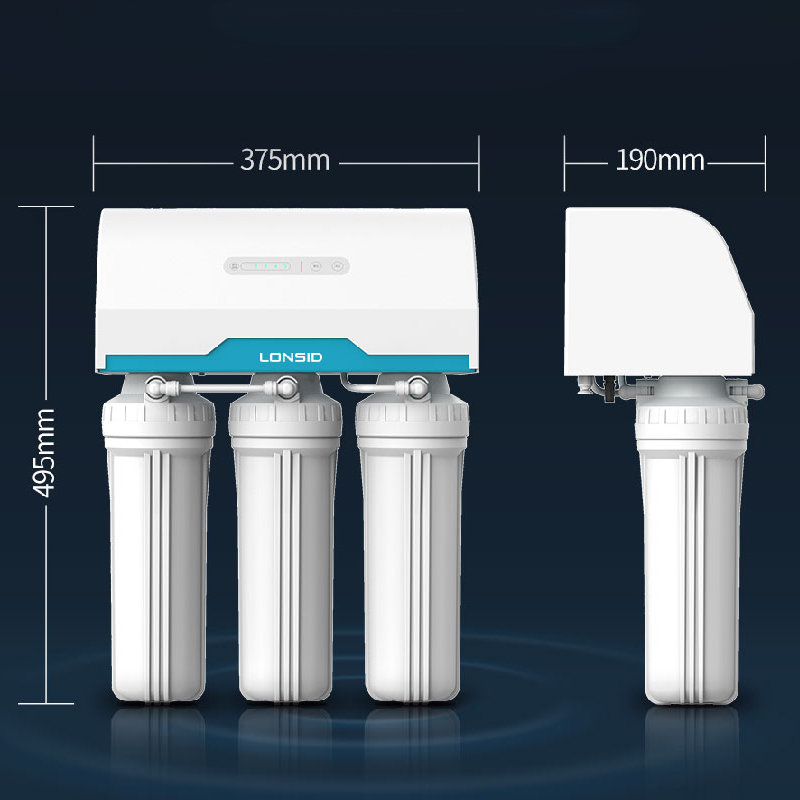 of drinking water during storage should not be overlooked. In order to ensure the hygiene and safety of drinking water during storage, measures need to be taken from multiple aspects.
First, the storage containers of drinking water
Firstly, the storage containers of drinking water must be clean, non-toxic, and harmless, and meet national relevant standards. The storage containers must have good sealing performance to prevent the pollution of microorganisms and harmful substances. In addition, the containers should be cleaned and disinfected regularly to maintain their hygienic condition. At the same time, it is necessary to ensure that the storage containers are well-ventilated, avoiding direct sunlight to prevent water temperature from rising too high and to prevent bacterial growth.
Second, the storage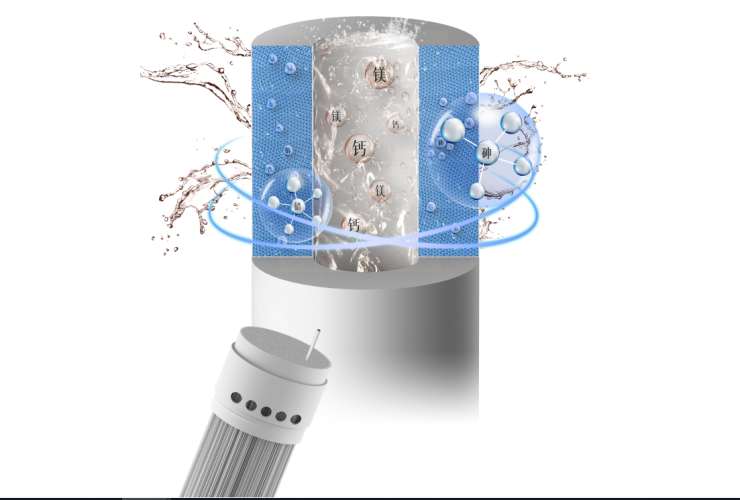 environment of drinking water
Attention should also be paid to the storage environment of drinking water. The storage location should be far from sources of pollution, avoiding industrial wastewater, garbage, animal excrement, and other pollution. In addition, the storage environment should be kept dry, ventilated, and clean, avoiding direct sunlight and high temperatures to prevent bacterial growth. At the same time, the storage containers should be placed in a cool, dry, and ventilated place, avoiding direct sunlight and high temperatures to prevent bacterial growth.
Third, the storage methods of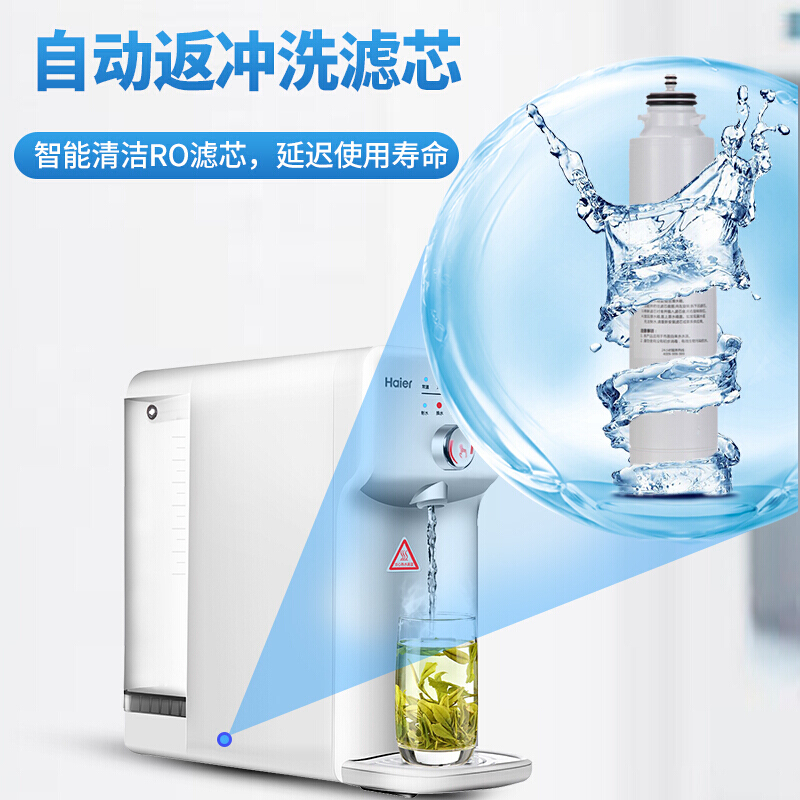 drinking water
During the storage process of drinking water, it should be avoided to contact with air, metal, plastic, and other substances to prevent oxidation, corrosion, and other phenomena. At the same time, it should be avoided to contact with chemical drugs and medicines to prevent chemical reactions that lead to water quality pollution. Drinking water should be placed in a cool, dry, and ventilated place, avoiding direct sunlight and high temperatures to prevent bacterial growth. In addition, the storage containers of drinking water should be cleaned and disinfected regularly to maintain their hygienic condition.
Fourth, the storage time of drinking water
The shelf life of drinking water during storage will also be affected to a certain extent. Generally speaking, the shelf life of drinking water is 1-2 years, and drinking water beyond the shelf life should be stopped from use. At the same time, drinking water should be stored to avoid long-term exposure to the air to prevent bacterial growth. Therefore, the storage time of drinking water should not be too long, and it should be consumed as soon as possible.
Fifth, the disinfection of drinking water
During the storage process of drinking water, regular disinfection should be carried out to ensure its hygiene and safety. Disinfection methods can include ultraviolet disinfection, ozone disinfection, chlorine disinfection, and so on. Among them, ultraviolet disinfection is the most common method, with good bactericidal effects, simple operation, and low cost. In addition, ozone disinfection and chlorine disinfection also have good disinfection effects, but attention should be paid to their residual amounts to avoid affecting human health.
Sixth, the label identification of drinking water
The label identification of drinking water is also very important. The label should indicate the production date, shelf life, manufacturer, production license number, and other information of the drinking water, so that consumers can understand the relevant information of the drinking water. In addition, the label should also indicate the storage methods, storage environment, and disinfection methods of the drinking water to guide consumers in storing drinking water correctly.
In summary, to ensure the hygiene and safety of drinking water during storage, it is necessary to consider and handle multiple aspects such as storage containers, storage environment, storage methods, storage time, disinfection methods, and label identification. Only in this way can the hygiene and safety of drinking water be guaranteed, providing people with healthy and safe drinking water.
About Us
News Center
Core Technologies
Product Showcase

HOTLINE:
ContactsAddresses:
Copyright © 2020-2025 Water Purification Materials and Equipment |