
 National Consultation Hotline:


National Consultation Hotline:
News Center
NEWS
What factors affect the output of reverse osmosis water purifiers, and can they be regulatedг┐
 2025-11-05 19:27:18
The size of the output of reverse osmosis water purifiers is mainly affected by multiple factors, including but not limited to incoming water pressure, water quality, the type and performance of the reverse osmosis membrane, operating time, and maintenance conditions. Below, we will discuss these factors in detail and their impact on the output, as well as whether they can be regulated.
Incoming water pressure
The output of reverse osmosis water purifiers is closely related to the incoming water pressure. Generally speaking, the higher the incoming water pressure, the higher the flux of the reverse osmosis membrane (i.e., the water flow rate through the membrane per unit time) will also increase, thereby increasing the output. However, it should be noted that excessive incoming water pressure will increase energy consumption and have a negative impact on the lifespan and performance of the reverse osmosis membrane. Therefore, in practical applications, the settings of the purifier should be adjusted according to the incoming water pressure to achieve the best output and economy.
Incoming water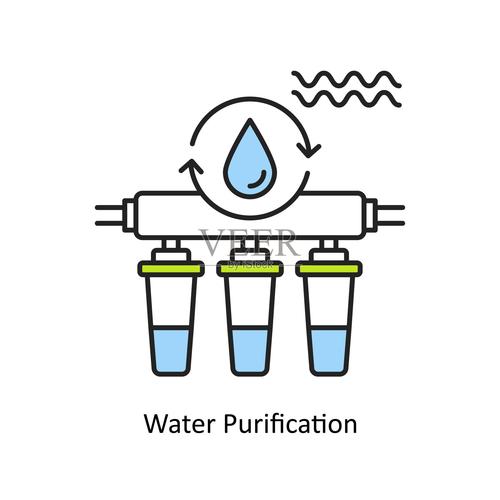 quality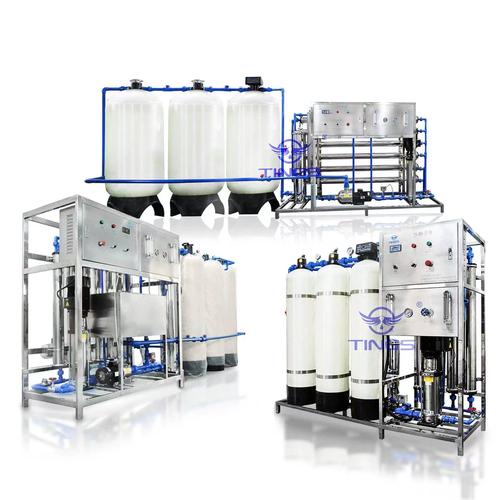
The incoming water quality also has an important impact on the output of reverse osmosis water purifiers. For example, impurities such as suspended matter, bacteria, and organic matter in the water can block the reverse osmosis membrane, reduce the flux of the membrane, and thereby reduce the output. In addition, higher concentrations of minerals such as calcium and magnesium in the water can form scale, which also affects the performance of the reverse osmosis membrane. Therefore, for areas or households with poor incoming water quality, it may be necessary to improve the water quality through pretreatment systems (such as pre-filter) to increase the output of the reverse osmosis water purifier.
Type and performance of the reverse osmosis membrane
The type and performance of the reverse osmosis membrane directly affect its flux. Generally speaking, the smaller the pore size of the membrane, the lower the flux, but it can remove more impurities. Therefore, it is necessary to select an appropriate reverse osmosis membrane according to actual needs. In addition, the service life of the membrane also affects the output, and regular replacement of the reverse osmosis membrane can maintain its performance.
Operating time and maintenance conditions
The output of reverse osmosis water purifiers is also affected by operating time and maintenance conditions. Long-term operation can lead to a decrease in the performance of the reverse osmosis membrane, thereby affecting the output. Regular cleaning and replacement of the reverse osmosis membrane are key to ensuring the long-term stable operation of the purifier. In addition, regular inspections and maintenance of other components of the purifier, such as the filter core and pump, can also maintain the output.
Feasibility of regulating output
Although the aforementioned factors determine the output of reverse osmosis water purifiers, they are not completely unadjustable. By adjusting the incoming water pressure, the output can be appropriately regulated. However, this must be done while ensuring the performance of the reverse osmosis membrane, avoiding overpressure that could damage the membrane. In addition, by optimizing the pretreatment system, the incoming water quality can be improved, indirectly increasing the output. For operating time and maintenance conditions, regular inspections and maintenance can keep the equipment in optimal condition, thus ensuring the stability of the output.
In summary, the output of reverse osmosis water purifiers is affected by a variety of factors, including the incoming water pressure, water quality, the type and performance of the reverse osmosis membrane, operating time, and maintenance conditions. By reasonably adjusting these factors, the performance of the reverse osmosis water purifier can be maximized, ensuring its stable operation and achieving the expected output.
About Us
News Center
Core Technologies
Product Showcase

HOTLINE:
ContactsAddresses:
Copyright © 2020-2025 Water Purification Materials and Equipment |