
 National Consultation Hotline:


National Consultation Hotline:
News Center
NEWS
What are the differences in hygiene standards among water used for different purposes (such as drinking water, industrial water, etc.)г┐
 2026-02-16 11:43:50
The drinking water, industrial water, agricultural water, domestic water, and cooling water, among different types of water for various uses, indeed have significant differences in their hygiene standards. This is because each type of water carries specific functions and requirements. Drinking water, industrial water, agricultural water, domestic water, cooling water, etc., all have strict regulations in terms of hygiene standards to ensure water quality safety, protect human health, and ensure the safe operation of industrial production.
First, the hygiene standards for drinking water
Drinking water is one of the most important types of water used in people's daily lives, and its hygiene standards are extremely high to ensure drinking safety. The hygiene standards for drinking water mainly include the following aspects:
Microbiological indicators: such as total coliforms, thermotolerant coliforms, fecal coliforms, total colony count, etc., these microbiological indicators reflect the hygienic status of the water body.
Chemical indicators: including heavy metals (such as lead, mercury), organic pollutants (such as benzopyrene), disinfection by-products (such as trihalomethanes, halogenated acetic acids, etc.), etc., these indicators directly affect the safety of the water.
Radioactive substances: such as radioactive nuclides (such as iodine-131, cesium-137, etc.), their content must be controlled within a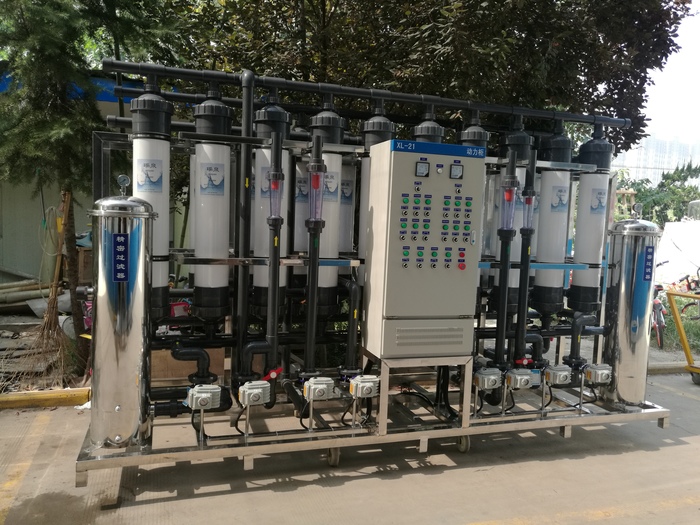 safe range.
Sensory characteristics: such as color, odor, and taste, these indicators reflect the sensory quality of the water body.
Second, the hygiene standards for industrial water
Industrial water is used in the industrial production process, and its hygiene standards are more stringent than drinking water, because the water used in industrial production directly or indirectly contacts with chemical substances in the production process, which may affect the production process and may pose potential threats to the environment and human health. The hygiene standards for industrial water mainly include:
Microbiological indicators: such as Escherichia coli, Staphylococcus aureus, etc., these indicators reflect the hygienic status of the water body and prevent contamination of industrial products by pathogenic microorganisms in industrial wastewater.
Chemical indicators: including heavy metals, organic pollutants, toxic substances, etc., these indicators directly affect the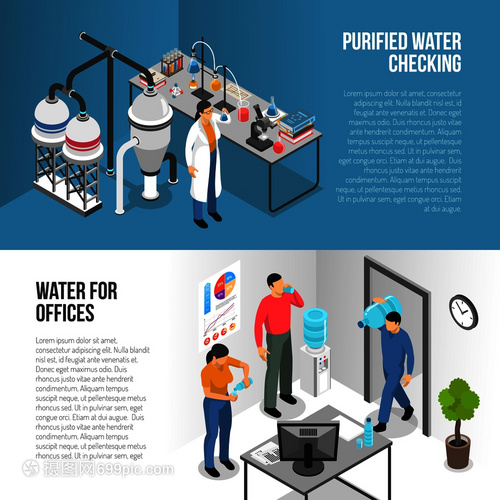 quality and safety of industrial products.
Radioactive substances: such as radioactive nuclides (such as uranium, thorium, etc.), their content must be controlled within a safe range to prevent contamination of the environment and human health by radioactive substances.
Sensory characteristics: such as color, odor, and taste, these indicators reflect the sensory quality of the water body, ensuring a clean industrial production environment.
Third, the hygiene standards for agricultural water
Agricultural water is mainly used for irrigation of crops, and its hygiene standards are also high, mainly to prevent the pollution of crops by pesticides, fertilizers, and pathogenic microorganisms, thereby ensuring food safety. The hygiene standards for agricultural water mainly include:
Microbiological indicators: such as Escherichia coli, Staphylococcus aureus, etc., these indicators reflect the hygienic status of the water body and prevent contamination of crops by pathogenic microorganisms.
Chemical indicators: including pesticide residues, fertilizer residues,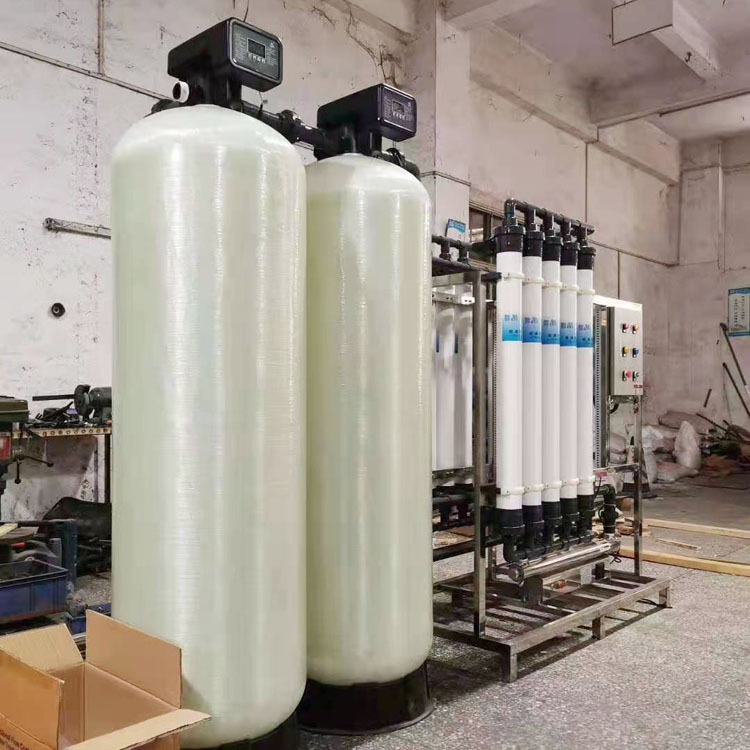 etc., these indicators directly affect the safety of crops.
Sensory characteristics: such as color, odor, and taste, these indicators reflect the sensory quality of the water body, ensuring a clean environment for agricultural production.
Conclusion
Water used for different purposes has significant differences in its hygiene standards, which is mainly due to the specific functions and requirements of water for each use. Drinking water needs to ensure safety for consumption, industrial water needs to prevent chemical contamination, and agricultural water needs to prevent residues of pesticides and fertilizers. By strictly adhering to the relevant hygiene standards, water safety can be effectively guaranteed, ensuring human health and the safe operation of industrial production.
About Us
News Center
Core Technologies
Product Showcase

HOTLINE:
ContactsAddresses:
Copyright © 2020-2025 Water Purification Materials and Equipment |