
 National Consultation Hotline:


National Consultation Hotline:
News Center
NEWS
What is the working principle of reverse osmosis water purifiers, and how do they achieve efficient filtrationг┐
 2025-12-04 17:39:45
The Working Principle and Efficient Filtration Mechanism of Reverse Osmosis Water Purifiers
Water purifiers are an indispensable household appliance in modern families, capable of effectively removing impurities and harmful substances from water, providing safer and healthier drinking water for the family. Among them, reverse osmosis water purifiers are favored for their excellent filtration effect. This article will delve into the working principle of reverse osmosis water purifiers and their efficient filtration mechanism.
The working principle of reverse osmosis water purifiers is based on membrane separation technology. It separates water from impurities in water through a semi-permeable membrane, which only allows water molecules to pass through while blocking the soluble impurities, heavy metals, organic matter, bacteria, viruses, pyrogens, residual chlorine, calcium, magnesium ions, and some fine particles in the water, thus achieving the purpose of purifying water quality. The reverse osmosis membrane has an extremely high pore size, usually only 0.0001 micrometers, which is one thousandth the size of bacteria, so it can effectively filter out harmful substances such as bacteria, viruses, and heavy metals from the water. In addition, the reverse osmosis membrane can also effectively remove residual chlorine in water, preventing harm to the human body.
The efficient filtering mechanism of reverse osmosis water purifiers is mainly reflected in the following aspects:
Super-filtration: The pore size of the reverse osmosis membrane is extremely small, which can effectively filter out harmful substances such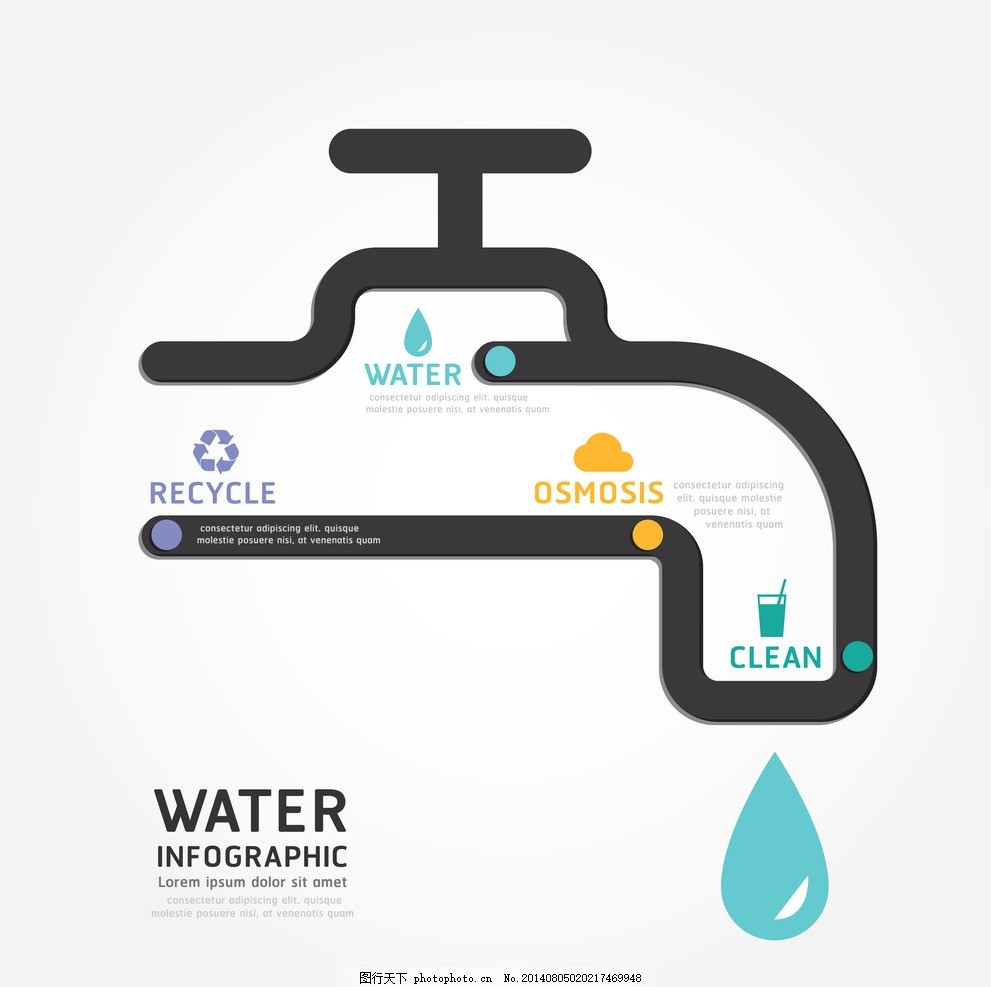 as bacteria, viruses, heavy metals from the water, ensuring the safety of water quality. The reverse osmosis membrane can block particles with a diameter greater than 0.0001 micrometers, including bacteria, viruses, heavy metals, organic matter, pyrogens, residual chlorine, calcium, magnesium ions, and some fine particles.
Vacuum extraction: Reverse osmosis water purifiers use a high-pressure pump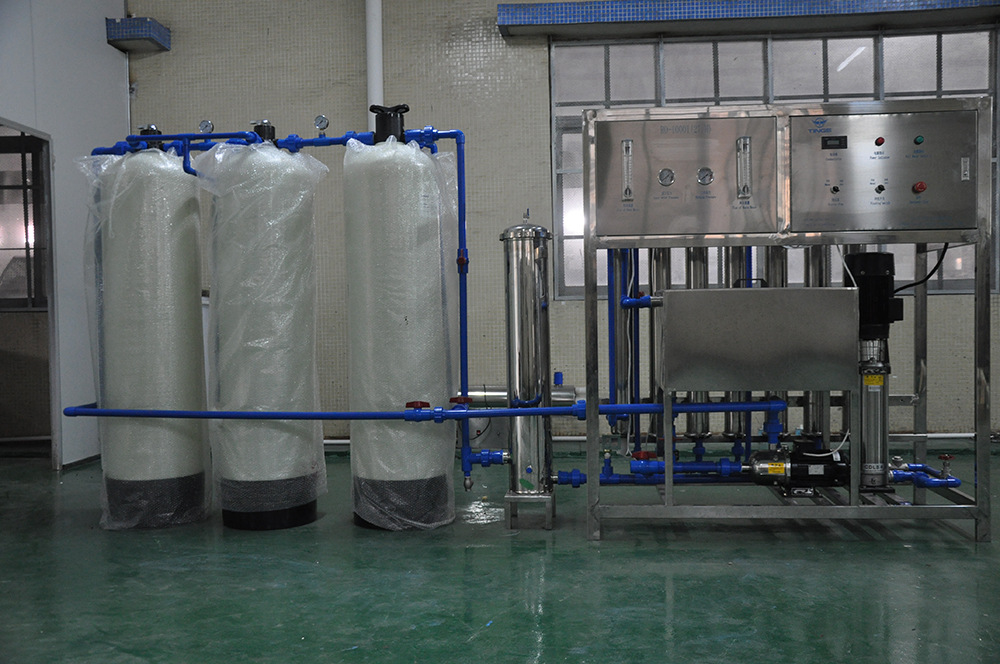 to increase the water pressure to a certain level, then filter the water through the reverse osmosis membrane. Under the high pressure, water molecules can pass through the reverse osmosis membrane, while other impurities are blocked on the other side of the membrane. This process is similar to extracting water from a high-pressure container, thus achieving water filtration.
Automatic flushing: Reverse osmosis water purifiers are usually equipped with automatic flushing functions to prevent the accumulation of impurities on the membrane surface, which affects the filtering effect. When the reverse osmosis membrane accumulates too much impurity, the system will automatically start the flushing program, using a high-pressure water jet to wash the impurities on the membrane surface clean, thus ensuring the efficient filtering performance of the membrane.
Filter element replacement: The filter element of reverse osmosis water purifiers needs to be replaced regularly to ensure its filtering effect. Generally, the replacement cycle of the filter element is 6-12 months, depending on the usage environment and water quality conditions. During the filter element replacement period, users can use temporary filtering devices or purchase new filter elements to ensure the safety of drinking water.
Water quality detection: Reverse osmosis water purifiers are usually equipped with water quality detection functions, which can monitor the water quality in real-time. Users can check the water quality through the mobile APP or display screen to understand the changes in water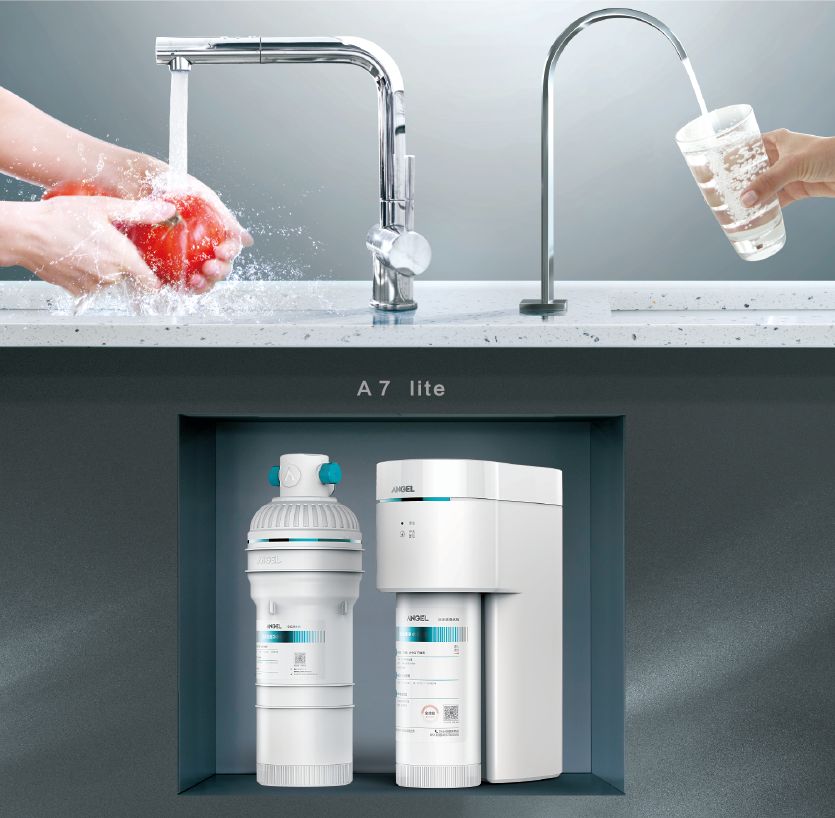 quality in a timely manner and take corresponding measures. In addition, the water quality detection function can also help users understand the usage status of the filter element, so that they can replace the filter element in time to ensure water quality safety.
In summary, the working principle of reverse osmosis water purifiers is based on membrane separation technology. It uses a high-pressure pump to increase the water pressure to a certain level, then filters the water through the reverse osmosis membrane to achieve purification. Its efficient filtering mechanism is mainly reflected in super-filtration, vacuum extraction, automatic flushing, filter element replacement, and water quality detection. These mechanisms work together to ensure that reverse osmosis water purifiers can efficiently filter water, providing safer and healthier drinking water for families.
About Us
News Center
Core Technologies
Product Showcase

HOTLINE:
ContactsAddresses:
Copyright © 2020-2025 Water Purification Materials and Equipment |