
 National Consultation Hotline:


National Consultation Hotline:
News Center
NEWS
How to evaluate the comprehensive filtering effect of composite water purifiers, and what are the indicatorsг┐
 2026-01-21 08:35:03
How to evaluate the comprehensive filtering effect of composite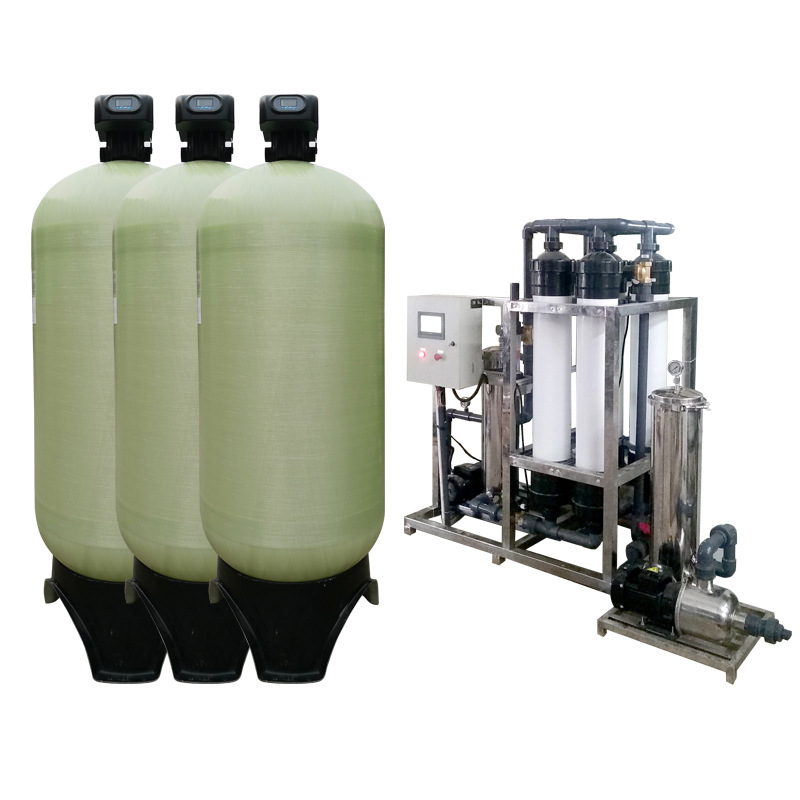 water purifiers, and what are the indicators?
With the continuous improvement of people's requirements for drinking water quality, various water purifiers have emerged in the market. Among them, composite water purifiers are favored by many consumers due to their efficient and comprehensive filtering capabilities. Composite water purifiers, through various filtering technologies such as activated carbon, reverse osmosis, ultrafiltration membranes, etc., carry out multiple purifications of impurities, bacteria, viruses, and other substances in water to meet the health drinking water needs of different groups of people. However, when consumers purchase, they often pay attention to the comprehensive filtering effect of water purifiers. Then, how to evaluate the comprehensive filtering effect of composite water purifiers? The following are some key indicators.
Filtration Accuracy: Filtration accuracy is one of the important indicators for evaluating the performance of a water purifier. It determines the ability to remove fine particles and impurities from water. Generally, reverse osmosis membranes have a high filtration accuracy and can remove harmful substances such as bacteria, viruses, and heavy metals from water, but may not completely remove some smaller particles. Ultrafiltration membranes can effectively remove large particles and some microorganisms from water, while activated carbon filter cores are good at adsorbing organic matter, odors, and some heavy metals in water. Composite water purifiers usually combine the use of multiple filter cores to achieve the best filtration effect.
Removal Rate: Removal rate is an important indicator for evaluating the filtration effect of a water purifier. Removal rate refers to the proportion of harmful substances in water that a water purifier can remove. The higher the removal rate, the better the filtration effect of the water purifier. The removal rate is not only determined by the type and quality of the filter cartridge but also by factors such as water flow speed and filtration cycle. Therefore, when choosing a water purifier, consumers need to pay attention to whether the removal rate meets their needs.
Energy Consumption and Operating Costs: Energy consumption and operating costs are also important indicators for evaluating the comprehensive filtration effect of a composite water purifier. A water purifier with low energy consumption and operating costs not only has a low cost of use but also reduces energy consumption, in line with environmental protection concepts. When choosing a water purifier, consumers need to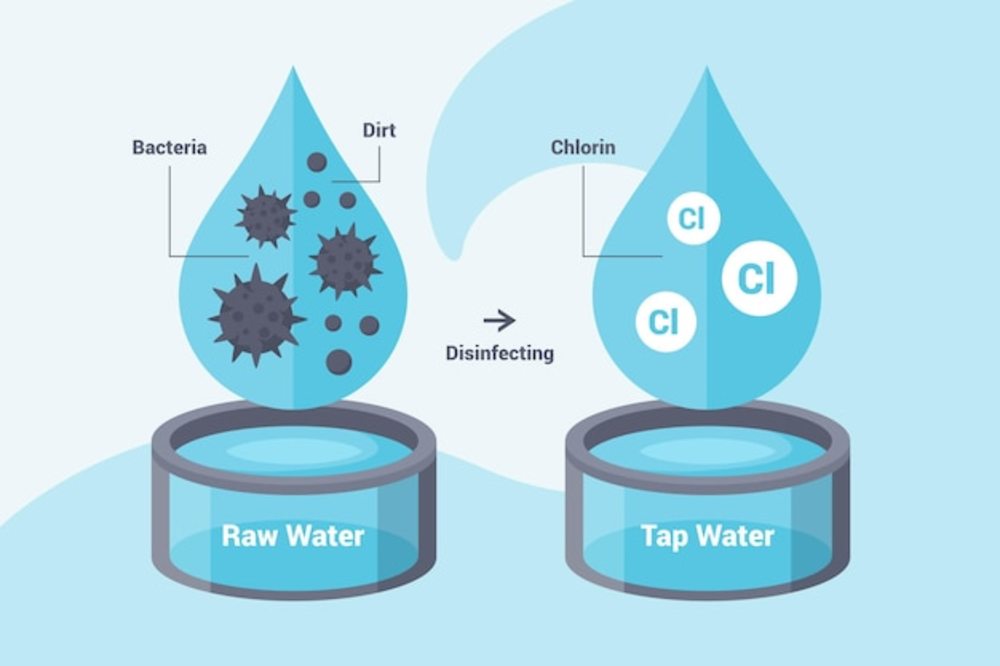 pay attention to its energy consumption and operating costs, selecting products with high cost-performance.
Service Life: Service life is another important indicator for evaluating the comprehensive filtration effect of a water purifier. A water purifier with a long service life can reduce the frequency of filter cartridge replacement, thereby reducing operating costs. When choosing a water purifier, consumers need to pay attention to its service life to ensure long-term use.
Applicable Water Quality: Applicable water quality is also an important indicator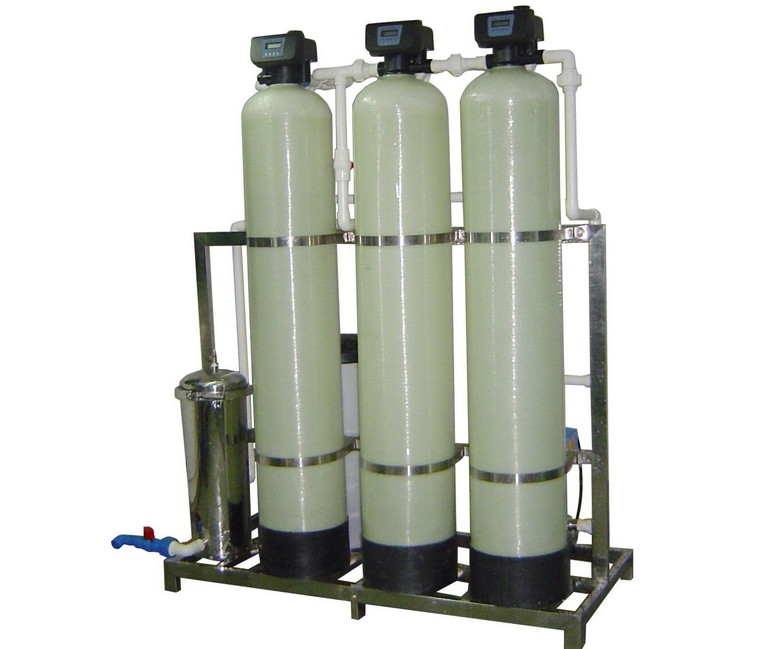 for evaluating the comprehensive filtration effect of a composite water purifier. Water quality varies greatly from region to region, so when choosing a water purifier, consumers need to select an appropriate one based on the local water quality conditions. For example, in areas with hard water, it may be necessary to choose a water purifier with softening functions; for areas with high levels of heavy metals, it may be necessary to choose a water purifier with heavy metal filtration functions.
Maintenance Costs: Maintenance costs are also an important indicator for evaluating the comprehensive filtration effect of a composite water purifier. Maintenance costs include the frequency of filter cartridge replacement and cleaning frequency. When choosing a water purifier, consumers need to pay attention to its maintenance costs to ensure long-term use.
In summary, to evaluate the comprehensive filtration effect of a composite water purifier, it is necessary to pay attention to key indicators such as filtration accuracy, removal rate, energy consumption and operating costs, service life, applicable water quality, and maintenance costs. Consumers should consider these indicators comprehensively when choosing a water purifier to select the one that suits them best.
About Us
News Center
Core Technologies
Product Showcase

HOTLINE:
ContactsAddresses:
Copyright © 2020-2025 Water Purification Materials and Equipment |