
 National Consultation Hotline:


National Consultation Hotline:
News Center
NEWS
What are the safety protection devices and key points for setting in the storage of water in large water tanksг┐
 2026-02-11 03:12:20
The safety protection devices and key points for setting in the storage of water in large water tanks is a very important issue, especially in the water supply system, where the safety of water directly affects people's health and quality of life. Below, we will discuss in detail the safety protection devices and key points for setting in the storage of water in large water tanks.
1. Overview of Safety Protection Devices
Safety protection devices are a key measure to ensure the safety of water inside the water tank. These devices can prevent external pollutants, microorganisms, and harmful substances from entering the water tank, as well as prevent the internal water of the water tank from deteriorating due to pollution, aging, and other reasons. Common safety protection devices include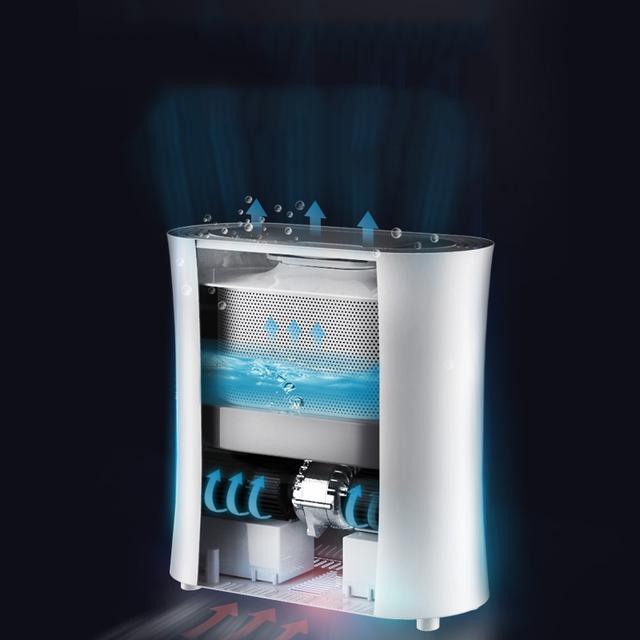 but are not limited to filters, disinfection devices, and water quality monitoring equipment, etc.
2. Key Points for Setting
2.1 Filter Setup
Type Selection: Select the appropriate filter type based on the specific use of the water tank, such as pre-filter, activated carbon filter, etc.
Installation Location: Filters are usually installed before the inlet to prevent impurities from entering the water storage system directly.
Maintenance Frequency: Regularly inspect and replace the filter cores to ensure the filter effect.
2.2 Disinfection Device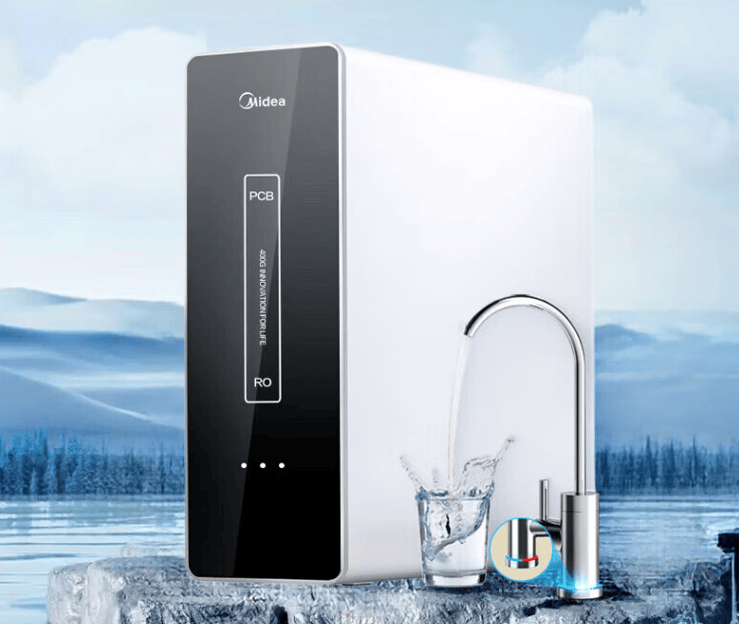 Setup
Setup
Disinfection Method Selection: Common disinfection methods include ultraviolet disinfection, ozone disinfection, etc.
Installation Location: The disinfection device should be installed after the filter to ensure that the water is fully disinfected after passing through the filter.
Disinfection Time: Determine the appropriate disinfection time based on the type of disinfection device and the specific situation of the water tank.
2.3 Water Quality Monitoring Equipment Setup
Monitoring Items: Include but are not limited to water quality pH value, turbidity, residual chlorine content, etc.
Installation Location: The water quality monitoring equipment should be installed near the outlet of the water tank to ensure that the outgoing water quality meets the standard.
Data Transmission: Real-time monitoring and early warning of data are achieved through wireless transmission or direct connection to the central monitoring system.
2.4 Ventilation System Setup
Purpose: Maintain air circulation inside the water tank to reduce the accumulation of harmful gases.
Installation Location: Ensure that the ventilation openings are appropriately positioned to prevent rainwater from entering the water tank directly.
Maintenance: Regularly check the air tightness of the ventilation system to ensure its normal operation.
3. Other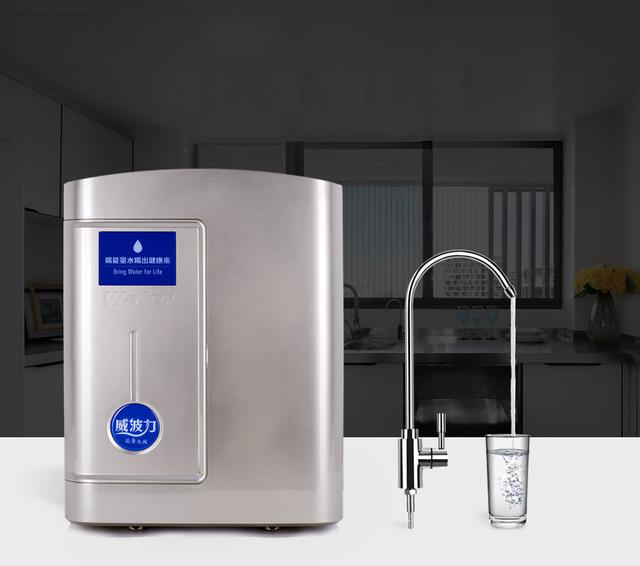 Matters to Be Noted
Regular Inspection and Maintenance: Regularly inspect and maintain the water tank and its auxiliary equipment to identify and solve problems in a timely manner.
Water Quality Testing: Conduct regular water quality tests on the stored water to ensure it meets national drinking water standards.
Staff Training: Provide professional training for personnel responsible for the maintenance and management of water tanks to enhance their safety awareness and operational skills.
By reasonably setting up and maintaining safety protection devices, it can effectively ensure the safety of water storage in large water tanks, providing people with clean and safe drinking water.
About Us
News Center
Core Technologies
Product Showcase

HOTLINE:
ContactsAddresses:
Copyright © 2020-2025 Water Purification Materials and Equipment |