
 National Consultation Hotline:


National Consultation Hotline:
News Center
NEWS
What is the retention mechanism of hollow fiber ultrafiltration membrane water purifiers for large molecular organic matter in waterг┐
 2026-01-20 22:43:11
What is the retention mechanism of hollow fiber ultrafiltration membrane water purifiers for large molecular organic matter in water?
As an important part of modern water purification technology, hollow fiber ultrafiltration membrane water purifiers can effectively remove large molecular organic matter from water through their unique filtering mechanism, providing humans with safer and healthier drinking water. Hollow fiber ultrafiltration membrane water purifiers mainly remove large molecular organic matter from water through physical filtration, and their retention mechanism involves many aspects, including physical retention, adsorption, and surface chemical reactions of the membrane, etc.
1. Physical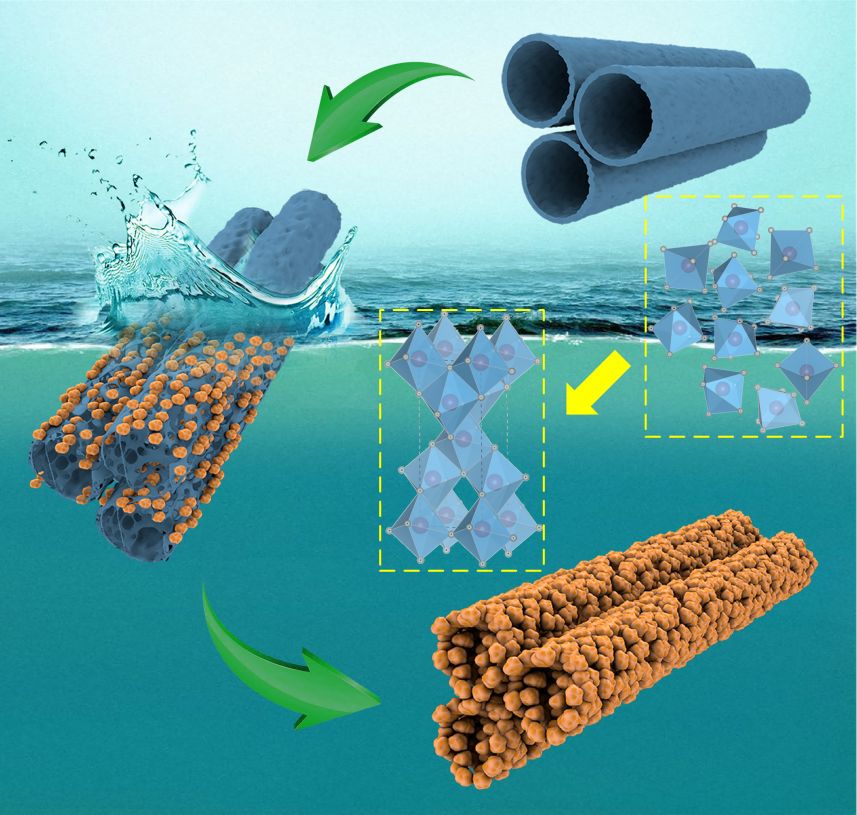 Retention
The core component of hollow fiber ultrafiltration membrane water purifiers is the hollow fiber ultrafiltration membrane, and its retention mechanism mainly relies on physical retention. The pore size of hollow fiber ultrafiltration membranes is usually between 0.01 and 0.1 micrometers, which can effectively block large molecular organic matter in water, such as proteins, polysaccharides, polypeptides, etc. The molecular weight of these organic matter is usually greater than 0.01 micrometers, so they cannot pass through the pore size of the hollow fiber ultrafiltration membrane and are intercepted. At the same time, the pore size distribution of the hollow fiber ultrafiltration membrane is uniform, ensuring the retention efficiency of organic matter.
2. Adsorption
In addition to physical retention, hollow fiber ultrafiltration membrane water purifiers also have certain adsorption properties. The hydrophilicity or hydrophobicity of the surface of hollow fiber ultrafiltration membranes determines their adsorption capacity for certain organic matter. When water passes through the hollow fiber ultrafiltration membrane, some large molecular organic matter may be adsorbed by the membrane surface due to adsorption, thus being intercepted. In addition, chemical modification of the membrane surface (such as graft modification) can further improve the adsorption capacity of the membrane, thereby more effectively removing large molecular organic matter from water.
3. Membrane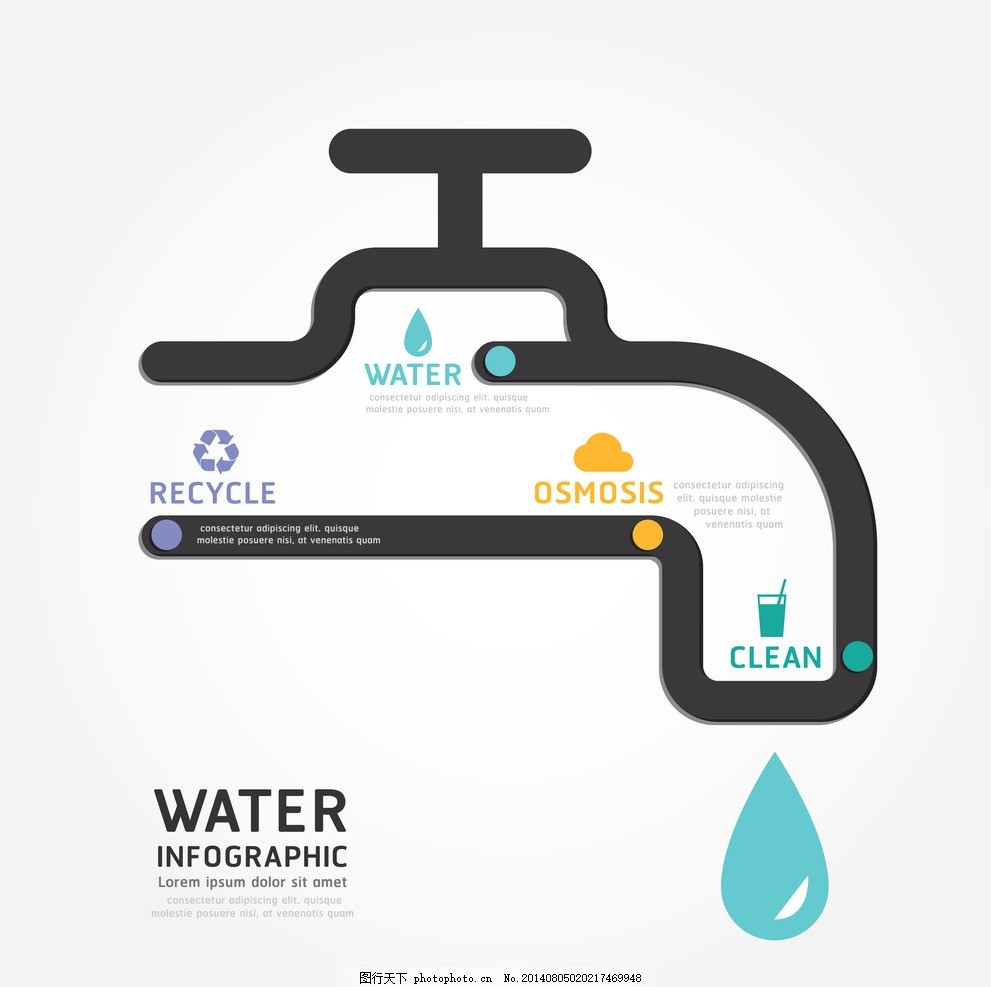 Surface Chemical Reactions
During the treatment process, some chemical reactions may occur on the membrane surface of hollow fiber ultrafiltration membrane water purifiers, which may affect the retention effect of large molecular organic matter. For example, the membrane surface may react with certain substances in water, forming substances with adsorption capacity, thereby enhancing the retention capacity of large molecular organic matter. In addition, the membrane surface may undergo chemical reactions with certain organic substances in water, forming smaller molecules, thereby reducing the molecular weight of organic matter and making it easier to be retained by the membrane.
In summary, hollow fiber ultrafiltration membrane water purifiers effectively remove large molecular organic matter from water through physical retention, adsorption, and surface chemical reactions of the membrane. This process not only improves water quality but also reduces harmful substances in water, providing humans with safer and healthier drinking water. With the continuous advancement of technology, the application prospects of hollow fiber ultrafiltration membrane water purifiers will be broader.
About Us
News Center
Core Technologies
Product Showcase

HOTLINE:
ContactsAddresses:
Copyright © 2020-2025 Water Purification Materials and Equipment |